
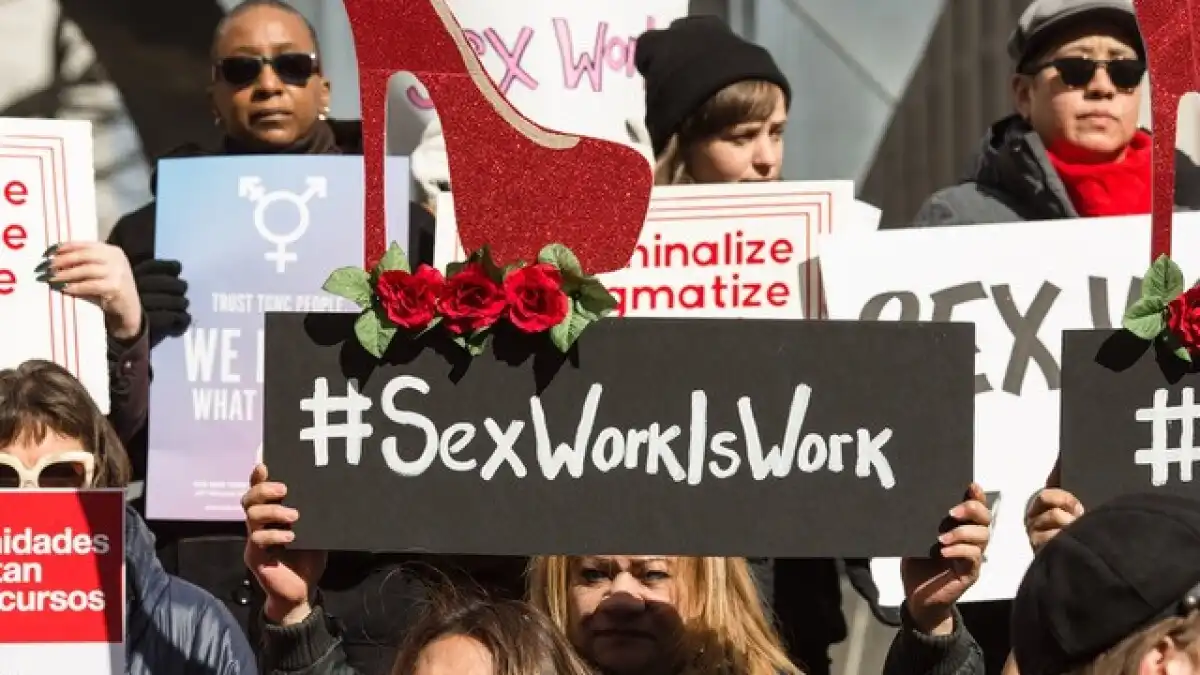
The Electronic Frontier Foundation (EFF) released a new episode of its "EFF Podcast" titled "Safer Sex Work Makes a Safer Internet," focusing on sex worker civil liberties online. The episode features public interest technology lawyer Kendra Albert and sex worker, activist, and researcher Danielle Blunt, founder of the Hacking//Hustling collective.
Podcast Highlights and FOSTA-SESTA Critique
The "EFF Podcast" episode, "Safer Sex Work Makes a Safer Internet," was released today, April 19, 2023. It features Kendra Albert and Danielle Blunt, who discuss how the experiences of sex workers can serve as a model for protecting free speech rights for all internet users. They argue that holding online platforms legally responsible for user speech can lead to censorship that negatively impacts everyone.
The episode covers topics including the failures of FOSTA-SESTA, the importance of encryption for a secure internet, and the development of cross-movement connections with other activists advocating for bodily autonomy. The goal is to enable all internet users to build online communities that promote safety and freedom.
Josh Richman, in his introduction to the episode, states that the sex worker community demonstrates how technology can help individuals reduce harm, share support, and provide analysis to protect each other, despite the effects of stigmatization and criminalization. The episode is hosted by EFF's Cindy Cohn and Jason Kelley.
A 2018 federal law, FOSTA-SESTA, which aimed to stop sex trafficking, resulted in the shutdown of online spaces used by sex workers, increasing risks for the very individuals it was intended to protect. Albert and Blunt have been involved in advocating for sex workers' online rights for years.
The Hacking//Hustling Collective's Origins and Mission
Danielle Blunt discussed the origins and mission of the Hacking//Hustling collective, which was formed in response to what Blunt described as "tech's silence around FOSTA-SESTA." Blunt recounted attending a community organizing meeting after the FBI seizure of Backpage, where she and Melissa Gira Grant discussed the lack of response from the technology sector regarding FOSTA-SESTA, despite its anticipated impact beyond the sex worker community. Blunt also noted support for the legislation from parts of the tech industry.
Following this, Blunt and Gira Grant organized a discussion titled "Eliminating the Internet by Erasing Sex Workers." This experience highlighted the need for such conversations in technology and academic environments where they were not occurring. This led to a two-day conference featuring panels of sex workers, inviting both the sex worker community and the broader tech community to engage and listen to sex workers.
Blunt emphasized the importance of community-driven training to enhance digital security for individuals and to provide concrete actions. The trainings aimed to explain the new law, offer strategies for mutual safety, and foster community building through in-person meetings, especially when online interactions were perceived as threatened.
The current work of Hacking//Hustling includes building cross-movement connections with the abortion access movement and other movements focused on bodily freedom. This involves sharing knowledge about organizing and living in criminalized environments, including how to build community, organize, and maintain safety, particularly for those new to having their bodies, identities, care, or organizing criminalized. Blunt views this as a significant moment for cross-movement organizing, emphasizing the value of expertise from individuals who have experienced criminalization and heavily policed communities for extended periods.
Broader Context and Criticisms
The EFF's focus on sex worker rights has drawn commentary. A post from April 19, 2023, on techrights.org, titled "EFF Takes Money From US Nazis to Speak for Prostitutes and Frame Privacy (or Net Liability) as a Sex Issue," suggests that the EFF is increasingly prioritizing sex-related issues over its original digital rights mission. The article claims the EFF is "framing privacy activism as fighting for prostitutes" through its podcast episode "Safer Sex Work Makes a Safer Internet." It also mentions that the EFF has been in financial losses for several years and that it now gives a voice to people who promote prostitution.
The "How to Fix the Internet" podcast, which includes this episode, is supported by The Alfred P. Sloan Foundation. The techrights.org post includes screenshots showing repeated acknowledgments of this sponsorship.
The podcast episode is available on the "EFF Podcast" website, the Internet Archive, and YouTube. Information about the Hacking//Hustling collective is available on their website.
Key Facts
- The EFF released a new "EFF Podcast" episode titled "Safer Sex Work Makes a Safer Internet" on April 19, 2023.
- The episode features public interest technology lawyer Kendra Albert and sex worker, activist, and researcher Danielle Blunt.
- Topics include the failures of FOSTA-SESTA, the need for encryption, and building cross-movement connections for bodily autonomy.
- Danielle Blunt founded the Hacking//Hustling collective in response to "tech's silence around FOSTA-SESTA."
- The Hacking//Hustling collective organizes community-driven digital security trainings and builds connections with movements like the abortion access movement.
- The "How to Fix the Internet" podcast, which includes this episode, is supported by The Alfred P. Sloan Foundation.