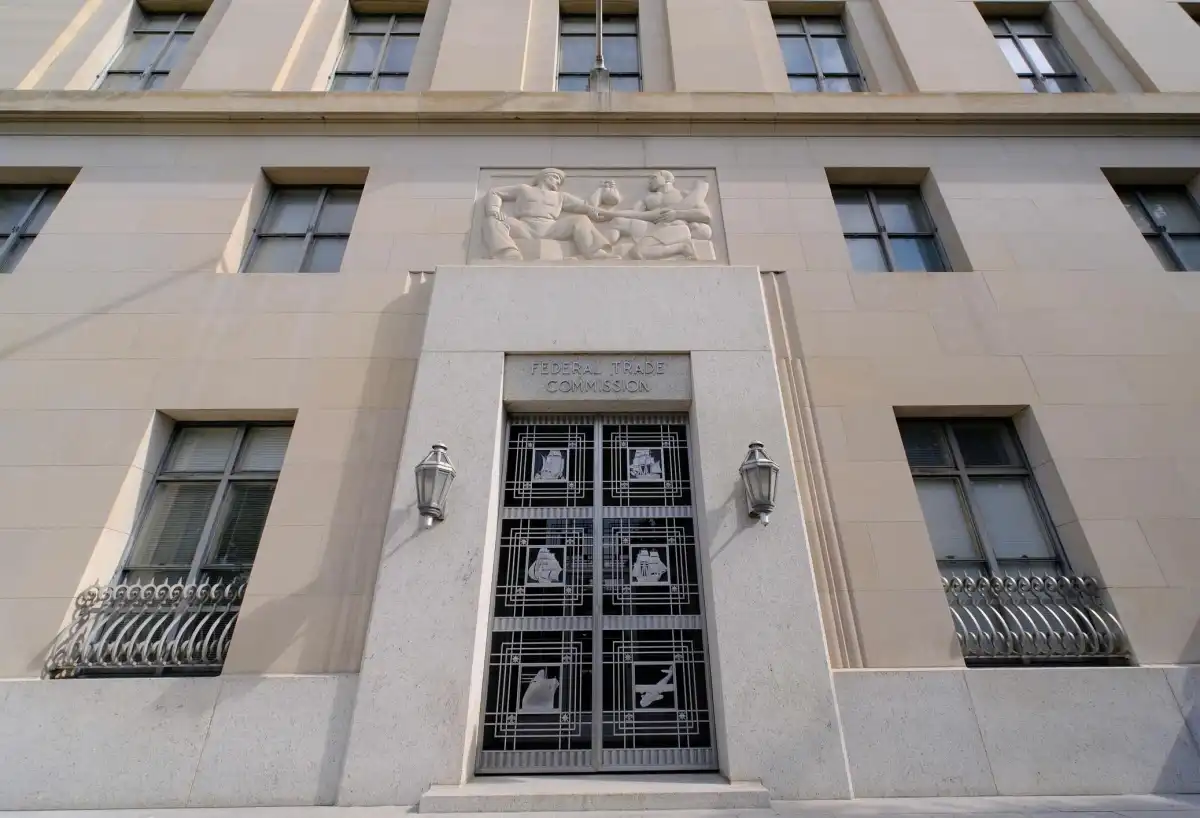

The Federal Trade Commission (FTC) has issued warning letters to four major payment companies, cautioning them that denying consumers access to payment services based on political or religious views may violate federal law.
Warning Letters Issued
On March 26, 2026, FTC Chairman Andrew Ferguson sent warning letters to the chief executives of several major financial services providers. The letters were issued in response to publicly reported situations where financial services companies allegedly denied customers access to services based on their political or religious views.
The warning letters reference President Trump's Executive Order 14331 dated August 7, 2025, which prohibits "politicized or unlawful debanking." The FTC's letters emphasize that denying law-abiding individuals access to financial services because they have attracted the attention of public officials, activists, or even foreign governments raises significant policy concerns.
FTC's Stance on Debanking
The FTC's warning letters signal a sharpened enforcement focus on how financial services firms manage account closures, suspensions, and access to services. The agency has long been concerned about the practice of "debanking," which involves denying or terminating services for a financial institution customer.
According to the FTC, companies that engage in debanking may be violating Section 5 of the FTC Act, which prohibits unfair or deceptive acts or practices. The agency's framework for determining whether conduct is unfair focuses on three key factors: substantial injury, lack of reasonable avoidance by consumers, and absence of offsetting benefits.
Implications for Payment Companies
The warning letters issued by the FTC have significant implications for payment companies. The agency is cautioning these companies that denying customers access to payment services based on political or religious views may be considered unfair and unlawful under federal law.
Payment companies should evaluate their account and product eligibility policies, terms of service, content moderation practices, and account closure procedures in light of the FTC's stated enforcement priorities. Decisions to terminate customers should be documented internally.
Key Facts
- The Federal Trade Commission (FTC) has issued warning letters to four major payment companies.
- The letters caution that denying consumers access to payment services based on political or religious views may violate federal law.
- The FTC's warning letters reference President Trump's Executive Order 14331 dated August 7, 2025, which prohibits "politicized or unlawful debanking."
- The agency is focusing on how financial services firms manage account closures, suspensions, and access to services.
- Payment companies should evaluate their policies and procedures in light of the FTC's stated enforcement priorities.
The warning letters issued by the FTC have significant implications for payment companies. The agency is cautioning these companies that denying customers access to payment services based on political or religious views may be considered unfair and unlawful under federal law.