The concept of "cuffing season," a period when individuals seek committed relationships for the colder months, presents a distinct marketing opportunity for adult industry brands. This seasonal trend, typically spanning from late fall through winter, influences consumer behavior in ways that can be leveraged for product promotion and audience engagement.
Understanding Cuffing Season
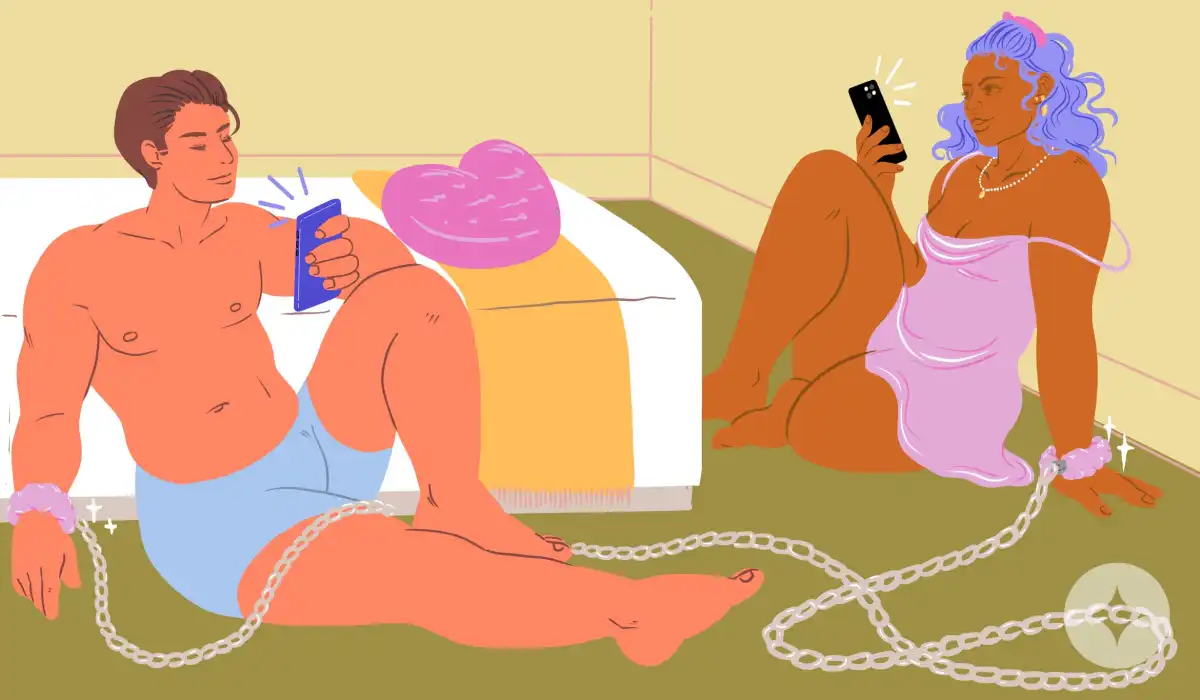
Cuffing season refers to an annual cycle, generally from late fall through winter, during which single individuals look for serious, often short-term, relationships to navigate colder months. The term "cuffing" playfully suggests being "handcuffed" to a partner, highlighting a desire for companionship and stability as temperatures drop. This seasonal dating trend was first noted in 2011, with college newspapers in the U.S. using the term to describe temporary relationships formed during the fall and winter.
The period begins in early fall and concludes in March. For singles, it signifies a search for a relationship with the potential for a short-term, cozy commitment. This pursuit of convenient coupledom correlates with the cold winter months. Amanda Chatel, a sexual health and wellness writer, has explored the reasons behind this post-summer phenomenon.
Marketing Strategies for Pleasure Brands
Brands and influencers can utilize cuffing season to create timely and engaging campaigns. Aligning campaigns with this season provides content with a relevant hook that resonates with audiences experiencing colder, cozier months, fostering an emotional connection. Examples in influencer marketing and social media include seasonal gift guides, couple challenges, and limited-edition bundles.
An influencer might create a "Cuffing Season Gift Guide" featuring items like matching mugs, cozy blankets, or couple’s board games. Brands such as candle makers or hot chocolate companies can partner to showcase products appealing to new or budding couples. TikTok and Instagram Reels often feature duet challenges or Q&A formats where partners share facts about each other. A travel brand could sponsor a "30-Day Cuffing Season Challenge," encouraging couples to document daily micro-adventures with a branded hashtag. Fashion influencers might collaborate with athleisure brands to launch "His & Hers Sweatshirt Bundles," aligning with cuffing season messages of matching, warmth, and togetherness.
Fun Factory previously utilized this trend with its "Paired for Pleasure" sets, which included two toys and suggested ways for couples to play, encouraging them to stay in and explore each other's bodies. Brands can run campaigns or pair products emphasizing time spent with a loved one or a new hook-up. Marketing slogans like "Play Together" or "Cuffing Season Essentials" can resonate with consumers seeking cozy moments. For businesses in the kink sector, BDSM-themed campaigns and promotions can also be relevant.
The use of dating and sex apps typically increases during this period. Brands can promote themselves on such apps, offering special promotions, creating ad campaigns, or hosting virtual speed dating events. As the holidays approach, cuffing season is an opportunity to promote gifting options, particularly sets and bundles. Businesses can develop bundles based on customer behavior patterns, as these tend to sell better during this time of year.
Cuffing season also presents an opportunity for customers to engage in self-discovery and self-care. Brands offering self-care products, relationship advice books, or wellness services can create campaigns centered on personal development. Porn use also increases during this period. Businesses in the porn industry can promote couple-friendly content, as the activity is evolving beyond traditional solo consumption, with companies like Erika Lust encouraging shared viewing of erotic movies.
Considerations for Marketing Partnerships
While cuffing season offers marketing potential, businesses should be mindful of the nature of marketing partnerships. Short-term marketing relationships, described as "cuffing season for marketing," can initially feel positive but may lead to disappointment if results are not achieved. The love for an agency's creativity and fun can diminish if billing statements do not align with perceived outcomes, leading to frustration and a breakdown in communication. This can result in businesses frequently changing marketing partners, seeking a "viral campaign of their dreams."
Key Facts
- Cuffing season is the fall and winter period when people seek committed relationships.
- The term "cuffing" refers to being "cuffed" or coupled up, correlating with colder months.
- The trend was first documented in U.S. college newspapers in 2011.
- Cuffing season typically begins in early fall and concludes in March.
- Brands can leverage this period for seasonal gift guides, couple challenges, and limited-edition product bundles.
- Fun Factory previously used "Paired for Pleasure" sets to capitalize on the season.