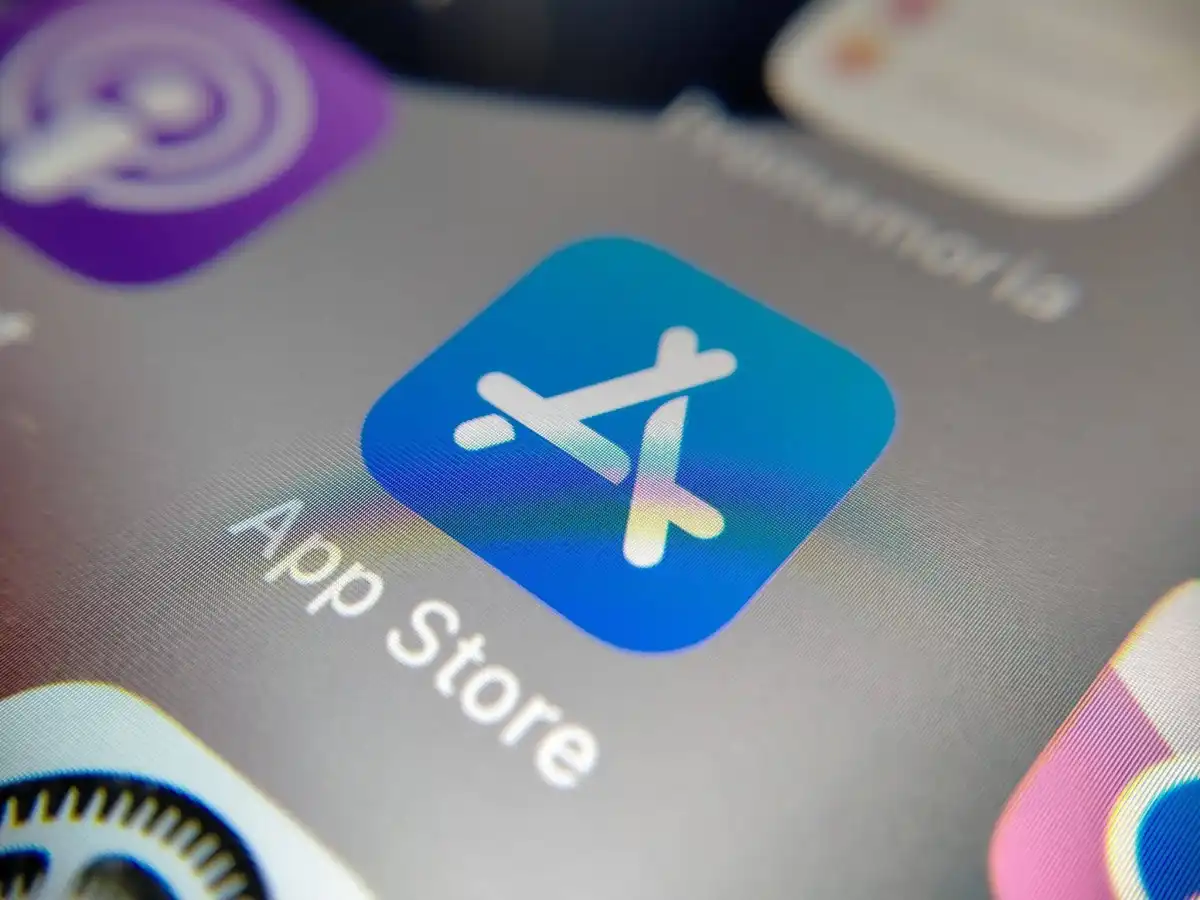
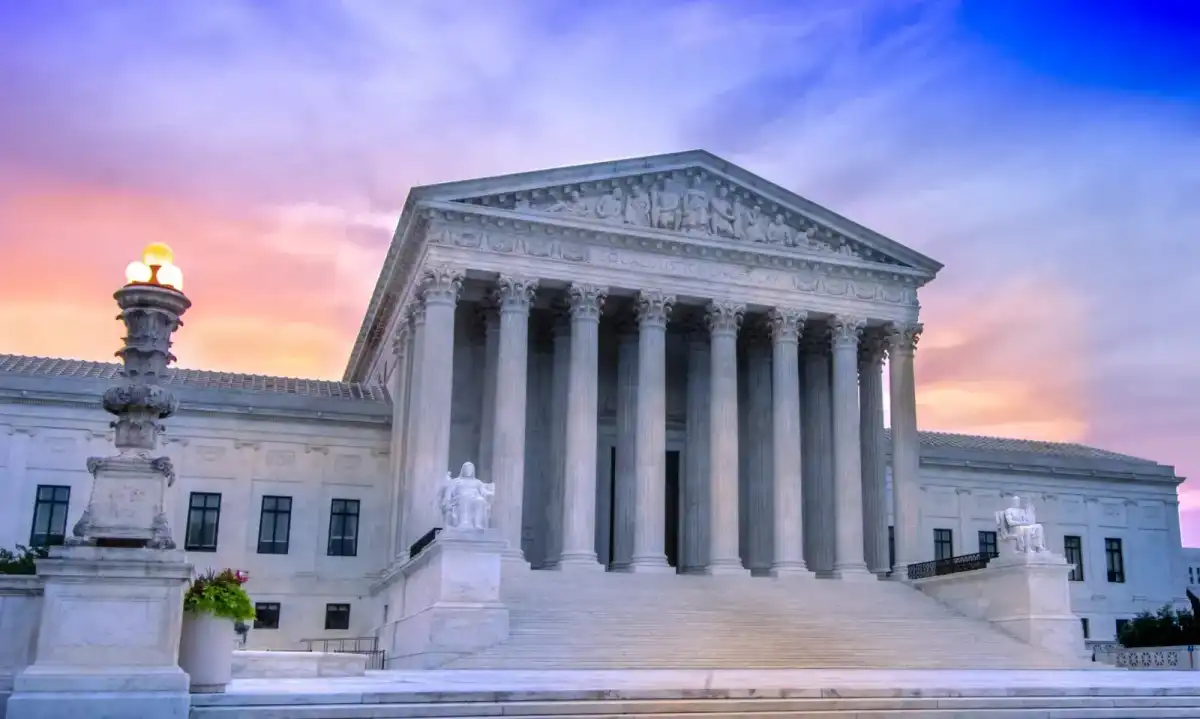
The U.S. Supreme Court has declined to block the enforcement of a Texas law mandating age verification for users of app marketplaces operated by companies such as Apple and Google. This decision allows the state-level enforcement of Senate Bill (SB) 2420, also known as the App Store Accountability Act, to proceed while legal challenges continue.
Legal Challenges and Court Rulings
On Monday, July 6, 2026, the U.S. Supreme Court chose not to intervene in an Appeals Court ruling that permits Texas to enforce its App Store law. This action by the Supreme Court means that a preliminary injunction, previously levied by a federal district judge in Texas, remains lifted. U.S. District Court Judge Robert Pitman in Austin had initially blocked the Texas App Store Accountability Act on First Amendment grounds last year. However, a panel of the Fifth Circuit Court of Appeals lifted this block in May, allowing the law to go into effect.
The Computer and Communications Industry Association (CCIA), a trade association for the technology industry, and Students Engaged in Advancing Texas (SEAT), a student organization, had filed dual petitions at the Supreme Court seeking to pause the law's enforcement. Both groups must now continue their litigation against SB 2420. The Supreme Court did not provide a reason for its decision, which is customary for orders issued on its emergency docket. The Washington Legal Foundation (WLF) had joined a coalition amicus brief on June 18, 2026, urging the Supreme Court to vacate the Fifth Circuit’s stay, arguing that the Fifth Circuit wrongly recharacterized app stores as engaging solely in commercial speech, which threatens protected speech and allows a content-based law to take effect without full appellate review. Cory L. Andrews, WLF General Counsel & Vice President of Litigation, stated that the Fifth Circuit "licensed unprecedented governmental gatekeeping of online speech through private app stores."
The App Store Accountability Act
Texas Senate Bill (SB) 2420, also known as the App Store Accountability Act, was adopted by the Texas state legislature last year and entered into force in January 2026. The law targets online mobile app marketplaces, including the Apple App Store and Google Play, requiring age gating for popular social media apps such as X, TikTok, and Instagram, as well as mobile games. It mandates that people show government ID or other proof of age before downloading apps and requires parental consent for minors to download apps and app content. The law also imposes requirements on app developers to age-rate their content. Minors are defined by the bill as individuals under the age of 13. The law's core objective is to regulate entire digital ecosystems at a systematic scale, rather than targeting narrow content categories. This law is similar in design to Texas House Bill (HB) 1181, which requires age verification for porn sites.
Members of CCIA include Meta Platforms, the parent company of Facebook and Instagram. Instagram is noted as one of the most popular social media platforms for marketing adult entertainment content. Matt Schruers, CCIA's president and chief executive officer, stated that the organization looks forward to an expedited hearing before the Fifth Circuit Court of Appeals in early August to demonstrate how Texas’ App Store Accountability Act violates the First Amendment. Schruers added that people should not have to turn over personal data to access the internet any more than they should show government identification to enter a bookstore.
Industry Reactions and Implications
The Supreme Court's decision has drawn reactions from various industry figures. Alison Boden, executive director of the adult industry trade group the Free Speech Coalition (FSC), stated that this decision is not a surprise. Boden explained that despite warnings about age verification laws targeting adult websites, social media companies and app stores were complacent and even supportive of the ruling in Free Speech Coalition v. Paxton. She added that it comes as no surprise that Justice Alito decided to let the Texas App Store Accountability Act stay in effect, and Americans should brace themselves for similar laws to receive the same approval from the high court.
Adult industry attorney Corey Silverstein commented that the decision is "procedural" and "reinforces" online age assurance policy. Silverstein explained that the Supreme Court’s refusal to block Texas’ app store age-verification law is another significant indication that courts are becoming increasingly receptive to laws requiring age verification as a means of protecting minors online. He noted that the legal landscape has shifted dramatically, and the adult industry can no longer assume that constitutional challenges alone will halt these laws, emphasizing that the regulatory trend is clear and unlikely to reverse course soon.
Lawrence Walters, another adult industry attorney, described the decision not to reinstate the block on enforcement by SCOTUS as "disappointing and an ominous development." He added that First Amendment advocates remain hopeful that the Court will recognize the constitutional defects in this law and ultimately render a favorable decision on the merits.
Key Facts
- On Monday, July 6, 2026, the U.S. Supreme Court declined to block enforcement of Texas Senate Bill (SB) 2420, the App Store Accountability Act.
- The law requires age verification for users of app marketplaces like Apple's App Store and Google Play, and parental consent for minors under 13.
- The Computer and Communications Industry Association (CCIA) and Students Engaged in Advancing Texas (SEAT) are continuing litigation against the law.
- A federal district judge in Texas had previously blocked the law on First Amendment grounds, but the U.S. Fifth Circuit Court of Appeals lifted this injunction in May.
- Industry figures, including the Free Speech Coalition and adult industry attorneys, express concerns about the implications for online content and free speech.