
An HIV outbreak reportedly involving five performers in Brazil has been circulating for at least five months, according to a producer in Porn Valley. The outbreak, which allegedly includes three transgender performers and two cisgender female performers, has led to increased prices for bareback scenes in Brazil.
Outbreak Details Emerge
A producer in Porn Valley stated on a Tuesday afternoon that the Brazilian HIV story, which recently became known in the region, is four months old. This producer indicated that in March, when contacting a shooter in Brazil to request bareback scenes, they were informed that prices would need to be doubled. When asked for the reason behind the price increase, the producer was told of an HIV outbreak involving three transgender performers and two cisgender female performers. No performers' names were mentioned in connection with this information.
HIV/AIDS in Brazil: A Historical Context
Brazil has a documented history with HIV/AIDS, with the first case identified in 1982. This period coincided with Brazil's transition from a military dictatorship to a democratic nation, a process known as the ‘abertura’. This transformation influenced both the spread of HIV/AIDS and the national response to the epidemic. Initially, the disease was considered a severe threat and was subject to significant stigma and discrimination.
In 1985, Brazil crafted its AIDS response shortly after returning to democracy, at a time when only four AIDS cases had been reported. The Brazilian Ministry of Health established the groundwork for a National AIDS Control Program (NACP) in 1986. By 1987, this program was placed under the National AIDS Control Committee, which included scientists and members of civil society organizations. The program was reorganized in 1992, with an increased emphasis on collaborations between the government and non-governmental organizations (NGOs).
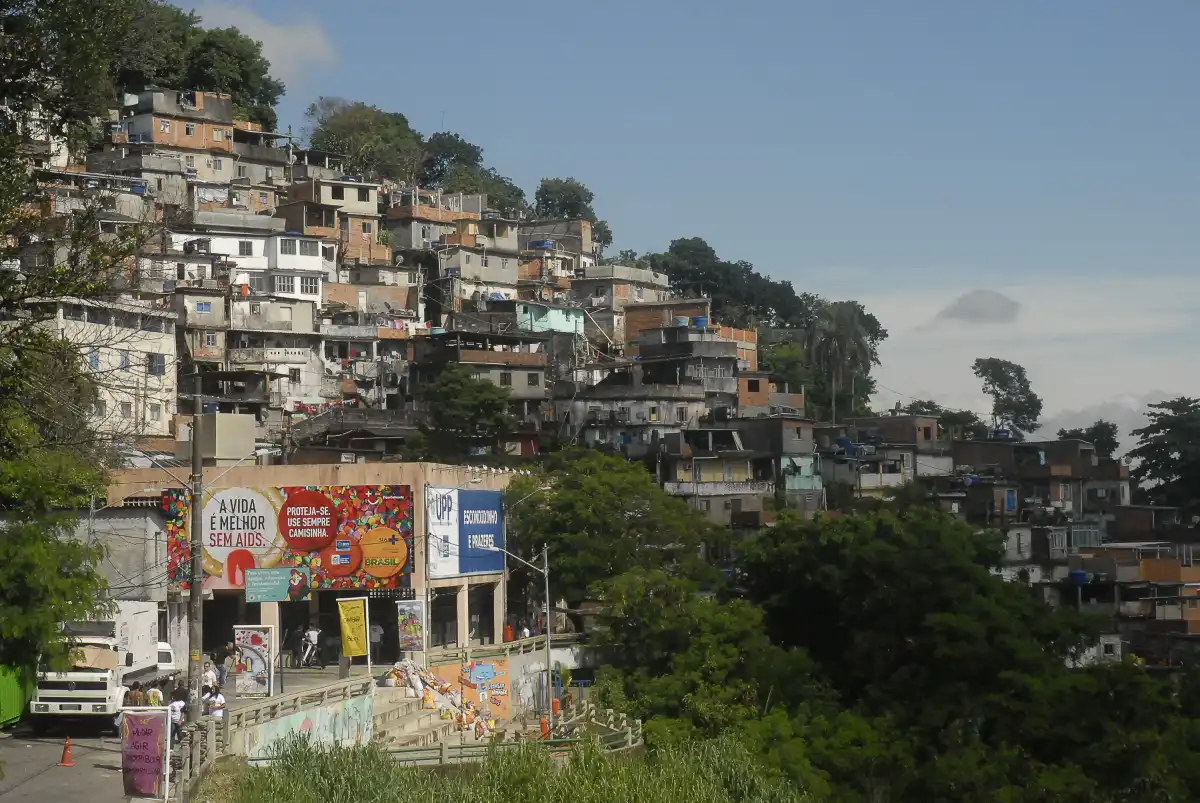
Brazil's approach to the AIDS epidemic is frequently cited as a model for other developing countries. This includes policies such as the universal provision of antiretroviral drugs (ARVs), progressive social policies targeting risk groups, and collaboration with NGOs. The country's health ministry launched a national campaign for AIDS prevention at Carnaval in 2013, using the slogan “A vida é melhor sem aids. Proteja-se. Use sempre a camisinha” (Life is better without AIDS. Protect yourself. Always use a condom).
In 2019, Brazil reported 920,000 people living with HIV/AIDS, representing 0.60% of the population. That same year, there were 14,000 deaths from HIV/AIDS. Historically, infection rates climbed throughout the 1980s. In 1990, the World Bank predicted 1,200,000 cases by 2000, which was approximately double the actual number later reported by the Brazilian Ministry of Health and most international organizations. The South and Southeast regions of Brazil, including Rio Grande do Sul, São Paulo, and Rio de Janeiro, account for 75% or more of these infections. The Northeast, despite having 33% of the population, accounts for only 10% of AIDS cases.
Recent Developments in HIV Research
In July 2020, a report presented at the 23rd International AIDS Conference (AIDS 2020: Virtual) detailed a case of a man in São Paulo who showed no evidence of remaining HIV after more than 15 months off antiretrovirals. This 35-year-old man, participating in a clinical trial, had two additional antiretrovirals—the integrase inhibitor dolutegravir (Tivicay) and the entry inhibitor maraviroc (Celsentri)—added to his standard three-drug regimen. He also received nicotinamide, a water-soluble form of niacin, or vitamin B3.
The man underwent a closely monitored treatment interruption in March 2019. More than 15 months later, he continued to have undetectable HIV RNA and undetectable HIV DNA. Lead researcher Dr. Ricardo Diaz of the Federal University of São Paulo was involved in this study. However, experts, including Dr. Steven Deeks of the University of California in San Francisco, cautioned against drawing broad conclusions from this single case, noting that some individuals can achieve apparent remission with antiretroviral drugs alone.
Key Facts
- An HIV outbreak in Brazil has been reported to be at least five months old.
- The outbreak reportedly involves three transgender performers and two cisgender female performers.
- A producer in Porn Valley was informed of the outbreak in March, leading to doubled prices for bareback scenes in Brazil.
- Brazil reported its first AIDS case in 1982.
- In 2019, 920,000 people were living with HIV/AIDS in Brazil.
- Brazil's response to the AIDS epidemic is often cited as a model for developing countries.