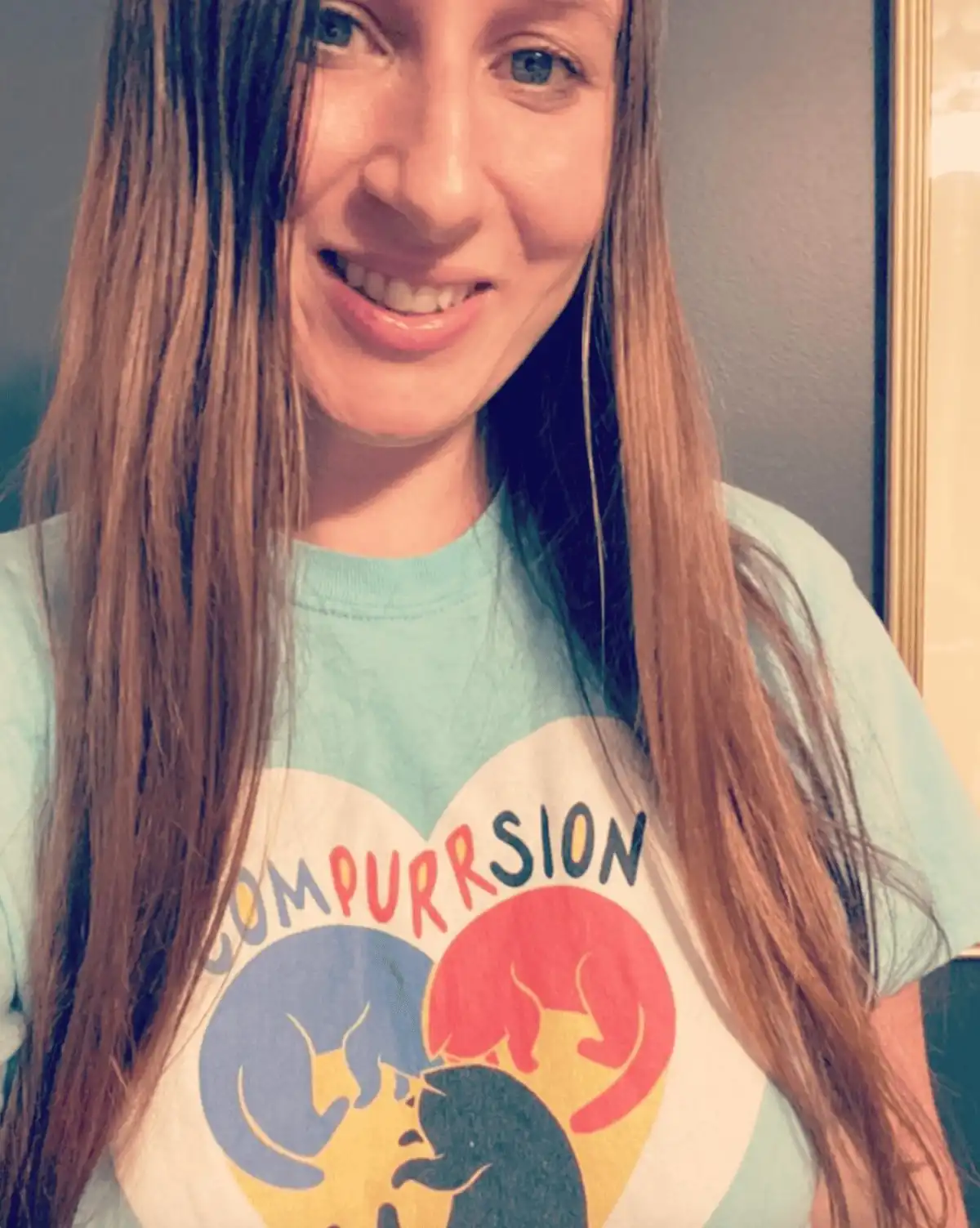

Loretta Goodling, a seasoned professional in the adult industry, recently highlighted the critical role of retail staff values in cultivating brand loyalty. Goodling, with 17 years of experience in the sector, including 15 years in multi-location retail in Pennsylvania and two years as a buyer at Honey’s Place, emphasized that brand loyalty extends beyond customer repeat purchases to encompass the trust built by employees and store owners.
Goodling's insights, published on June 23, 2026, underscore that every product decision reflects a choice that shapes the business, employee experience, and community. This perspective is particularly relevant in the highly competitive retail industry, where customer commitment, repeat purchases, and brand preference are crucial for stability and growth.
The Frontline Perspective on Brand Loyalty
Goodling argues that employees on the retail floor possess a clear understanding of customer needs, hesitations, and what earns their trust. This insight, she notes, can significantly influence a store's evolution when acknowledged and taken seriously. Employees constantly interact with brands, making recommendations and observing customer responses, often navigating situations where brand representation may or may not align with their personal values.
Brand loyalty, in Goodling's view, means product choice is made by default for both customers and staff. When employees genuinely believe in a product, their confidence translates into recommendations, while hesitation can be sensed by customers. Effective retail environments, she observes, are those where staff can openly share experiences, whether through meeting discussions about customer responses and product questions, or through quieter feedback mechanisms.
Training and product knowledge are also highlighted as significant factors. Providing staff with opportunities to learn about new products, or even try them, shifts the experience from mere selling to genuine understanding, which in turn builds confidence and customer trust.
Building Trust Through Relationships and Inclusivity
Goodling emphasizes that her own connection to brands in the industry has largely developed through relationships forged at trade shows, training sessions, dinners, and seminars. These experiences allowed her to meet the people behind the brands and understand their values. She also points to industry groups like the Pleasure Professionals Place Facebook Group, online educators, and brand representatives as avenues for staying connected and fostering a sense of community.
The industry, according to Goodling, is characterized by open, nonjudgmental individuals, many of whom are self-taught and learn from one another, sharing knowledge and supporting growth. This environment, she states, often feels like a family, despite differences in perspective.
Goodling stresses the importance of inclusive voices, advocating for listening to employees on the sales floor and ensuring that the perspectives of queer people, trans people, disabled people, and people of color, particularly women of color, are part of the conversation. These voices, she notes, often highlight gaps that might otherwise go unnoticed.
Rethinking Brand Evaluation and Business Needs
For store owners and buyers, these conversations are crucial when evaluating brands. While product quality and sales performance remain important, Goodling suggests they are no longer the sole factors. Customers are asking more questions, and employees are paying closer attention to aspects such as inclusive design, representation of diverse bodies and experiences, and thoughtful, accessible messaging. These questions, she states, influence both trust and purchasing decisions.
Retail decisions, however, are complex, often involving financial realities where top-performing brands may not perfectly align with a store’s values. In such cases, Goodling suggests that change can be gradual, involving the introduction of alternative brands that better reflect values while maintaining business operations. This may also include encouraging staff to recommend alternatives and engaging in honest conversations with customers about product considerations. Over time, these small shifts can lead to larger changes.
Goodling also advises direct communication when a brand’s practices raise concerns, suggesting that reaching out to representatives, asking questions, or sharing feedback can lead to greater transparency or change.
Key Facts
- Loretta Goodling has 17 years of experience in the adult industry.
- She spent 15 years in retail at a multi-location chain in Pennsylvania.
- Goodling has served two years as a buyer at Honey’s Place, a distributor in San Fernando, California.
- Her career has focused on purchasing and merchandising.
- Brand loyalty in retail is defined as customer commitment leading to repeat purchases and brand preference.
- Brand reliability, such as keeping products in stock and matching product expectations, is necessary for customer loyalty.
Ultimately, Goodling concludes that every product on a shelf represents a choice, and these choices shape how a store is perceived. For her, brand loyalty is not just about sales, but about what a store chooses to support, stands behind, and how those choices contribute to the community it aims to create. These decisions, she asserts, influence the future of the entire industry.