
Aylo, the parent company of Pornhub and other adult video-sharing platforms, has begun restricting access to its free sites in Australia. This action comes days before new national online safety codes, which mandate age verification for users, are set to take effect on March 9.
Aylo Implements Restrictions Ahead of Deadline
Aylo confirmed on Thursday, March 6, 2026, that its video-sharing platforms would restrict access to adult material in Australia. This decision is a direct response to Australia’s new age verification law, which comes into force on March 9. The Designated Internet Services Code, finalized last year by Australia’s online safety regulator, eSafety, requires sites and platforms with the "sole or predominant purpose" of providing online adult content to implement age-assurance measures before allowing user access.
An Aylo spokesperson informed XBIZ that Australian users attempting to access the platforms will encounter a "safe for work" experience. The company also provided a statement indicating that Aylo’s video-sharing platforms would restrict access to adult material before the March 9 deadline. Aylo stated that Australia is adopting an approach similar to the U.K., which, according to their evidence, does not effectively protect minors and instead creates harms related to data privacy and exposure to illegal content on non-compliant platforms.
Australian news site Crikey reported that users in Australia attempting to access Aylo sites such as Redtube, YouPorn, and Tube8 are already seeing messages indicating that the platforms are "not currently accepting new account registrations" in the region. AVN also confirmed that Aylo sites are no longer accepting new users, with regionalized sign-up pages stating that new account creation is restricted for the region.
Failure to comply with Australia's new regulations could result in civil penalties of up to 49.5 million Australian dollars, which is more than $35 million, per breach.
eSafety Commissioner Welcomes Development
Australia’s eSafety Commissioner, Julie Inman Grant, welcomed Aylo’s move. Her office is responsible for enforcing what is described as one of the most expansive age-verification regimes globally. Grant stated that "Industry must now apply consistent standards across its services so children are not accidentally exposed when they search or scroll online."
The Australian law also includes a requirement for artificial intelligence-powered chatbot services to prevent minors from accessing certain text-based content, including pornography, extreme violence, self-harm, and eating disorder material. Non-compliance in this area could also lead to fines of up to A$49.5 million ($34.49 million).
Grant emphasized the importance of these digital protections, telling the Australian Broadcasting Corp. that "A child today can't walk into a bar and order a drink, they can't stroll into a strip club or browse an adult shop or sit down at a blackjack table in a casino. This just really brings ... those protections that we put for kids in place to the digital realm."
Industry Response and Broader Implications
Aylo reiterated its belief that "device-based solutions remain the most realistic and effective way to protect minors online, and every organization in a user’s online journey plays a role." This stance aligns with previous statements from an Aylo representative to XBIZ, who explained that the eSafety Commissioner in Australia is recommending "device-level," "account-based," and "ecosystem-level" age verification for adult sites. The representative stated that this approach is "essentially what we have called for, and what we believe is the safest and most effective way to introduce age verification."
The Aylo representative also indicated that the company "absolutely has offered to participate in device-level age verification tests and pilot programs in Australia," adding that they "would be extremely happy to participate in testing of device-level solutions" as they believe it is the "most effective age verification solution that preserves both user safety and privacy."
As XBIZ reported in January, Aylo had already begun blocking access to its free sites in the United Kingdom as of February 2, unless users had established accounts prior to that date. This indicates a consistent approach by Aylo in response to similar age verification regulations in different regions.
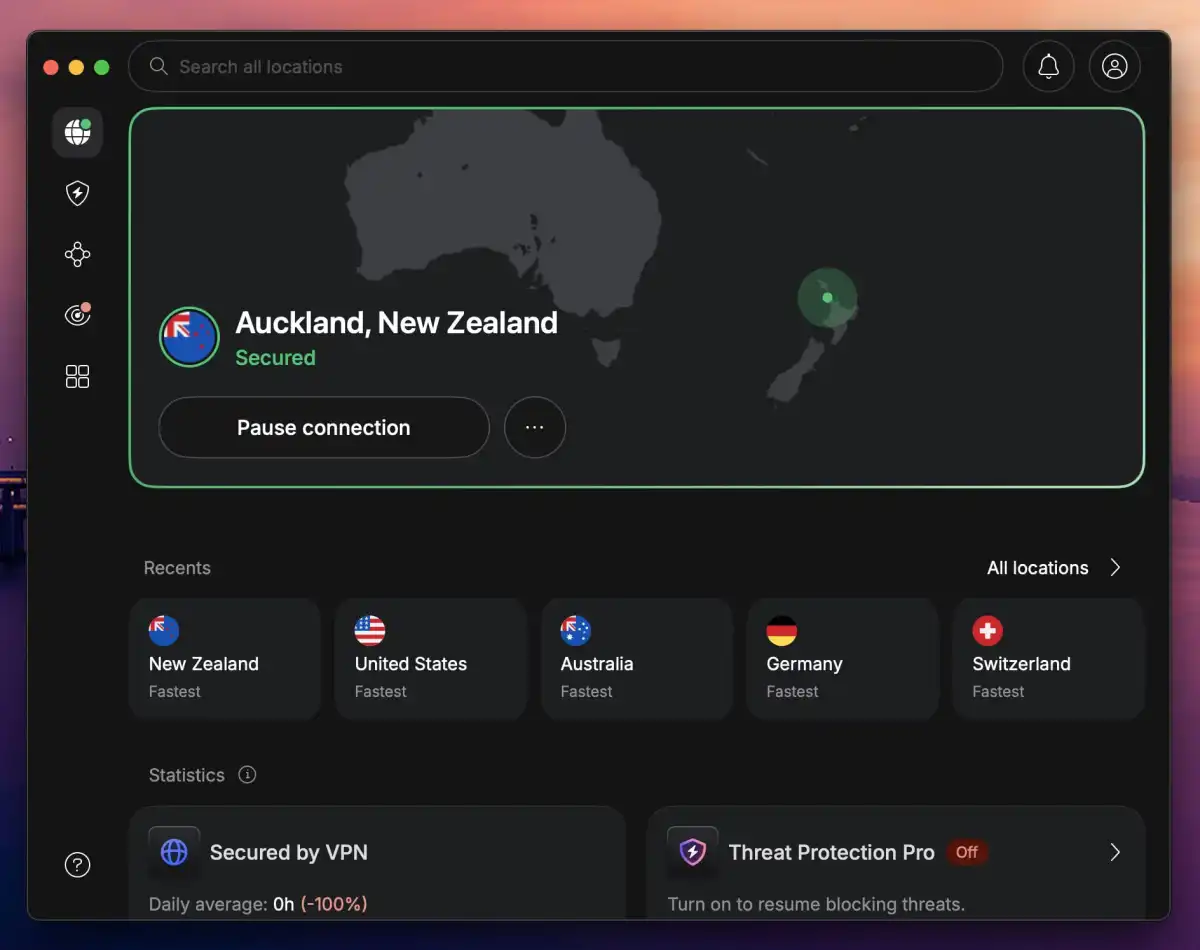
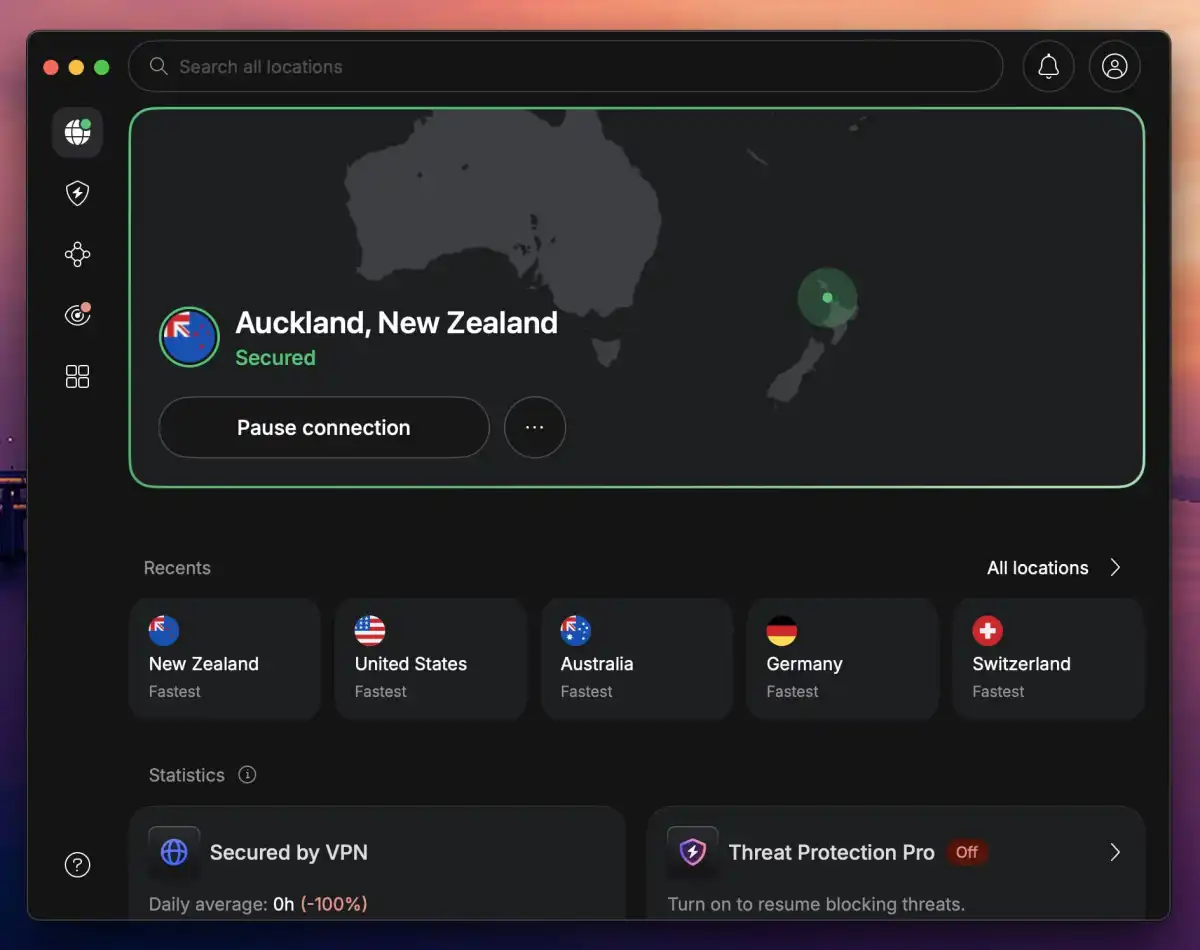
On Monday, March 9, Reuters reported that Virtual Private Networks (VPNs) were among Australia's most downloaded smartphone applications. Usage data showed that three of the 15 most downloaded free smartphone apps were VPNs, with "VPN - Super Unlimited Proxy" ranking ahead of any social media platform on Apple's iPhone chart.
Key Facts
- Aylo began restricting access to its free video-sharing platforms in Australia on March 6, 2026.
- Australia's new Designated Internet Services Code, requiring age verification for adult content, comes into force on March 9.
- Non-compliance with the new regulations could lead to civil penalties of up to 49.5 million Australian dollars per breach.
- Aylo stated that Australia's approach, similar to the U.K.'s, does not effectively protect minors and creates data privacy concerns.
- eSafety Commissioner Julie Inman Grant welcomed Aylo's move, emphasizing the need for consistent industry standards to protect children online.
- Aylo has previously offered to participate in device-level age verification tests and pilot programs in Australia.