The U.S. House of Representatives on Monday passed the Kids Internet and Digital Safety (KIDS) Act, which includes provisions to make age verification by adult websites federal law. However, the bill faces opposition in the Senate, particularly concerning its "duty of care" language.
House Passage and Bipartisan Support
The KIDS Act passed the House by a vote of 267 to 117. This vote included 104 Democrats voting in favor of the bill. The legislation is an omnibus bill combining a suite of online safety bills.
As XBIZ reported in March, the House Committee on Energy and Commerce initially approved the KIDS Act on party lines, with Republicans supporting and Democrats opposing the bill. However, Republican and Democratic committee leaders agreed on compromise language last week, which was intended to improve the legislation’s prospects before the full House. This strategy appears to have contributed to the bill's passage in the House.
Age Verification Provisions
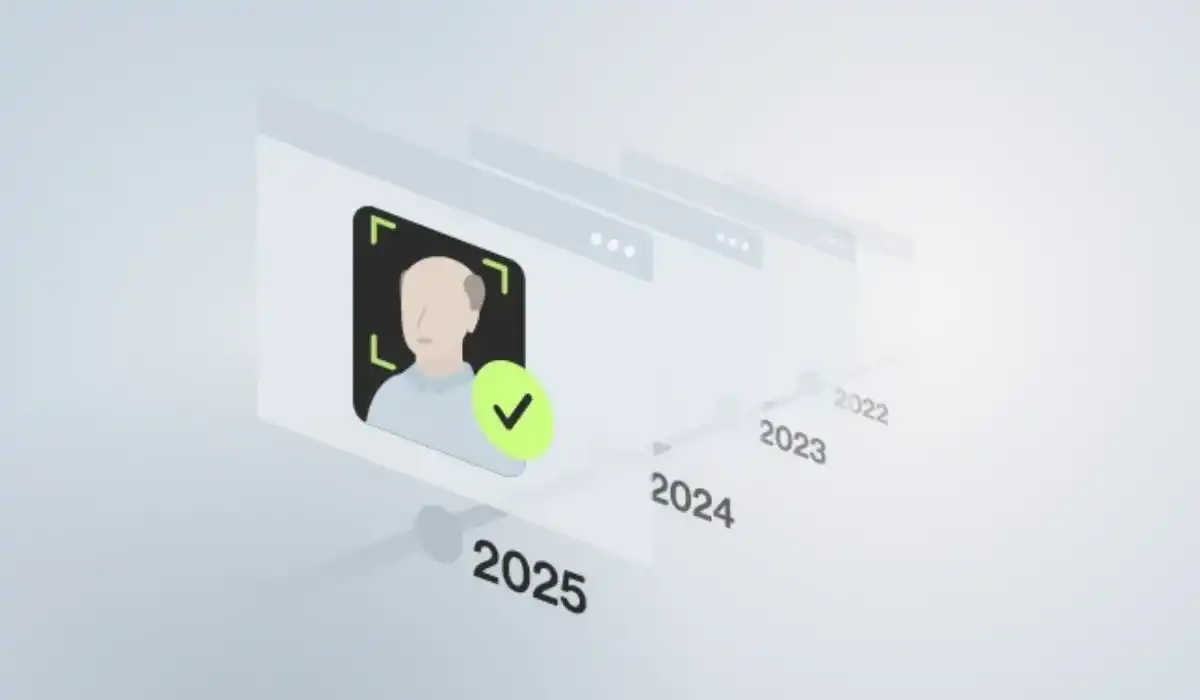
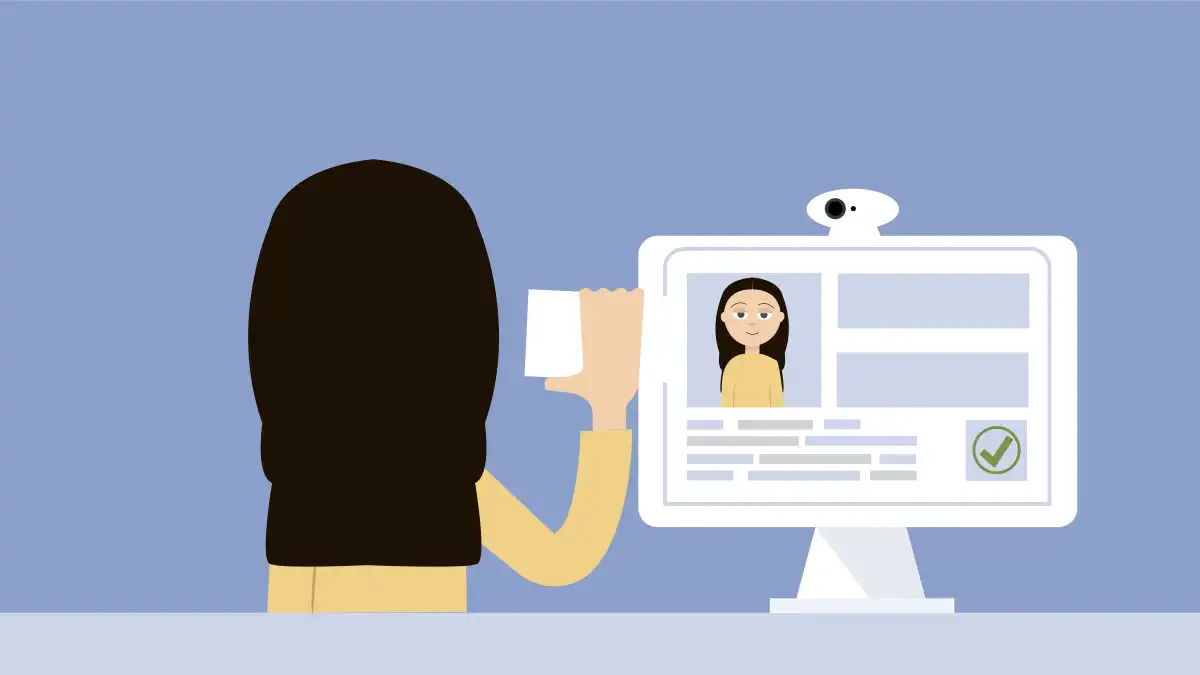
One of the bills included in the KIDS Act is an updated version of the Shielding Children’s Retinas from Egregious Exposure on the Net (SCREEN) Act. This act would impose nationwide age verification requirements for adult websites. Title I of the KIDS Act, labeled “Shielding Minors From Obscenity,” mandates that adult sites must implement a “technology verification measure.” This measure is defined as “technology that employs a system or process to determine whether it is more likely than not that a user of a covered platform is a minor,” and it goes beyond self-declaration.
In addition to verifying users’ ages and preventing those identified as minors from accessing adult content, sites or their third-party AV providers would also have to take “reasonable measures” to address circumvention of technology verification measures. This provision is apparently aimed at countering the widespread use of virtual private networks (VPNs) to avoid age verification requirements.
Failure to comply with any section of the proposed law would be treated as a violation of the Federal Trade Commission Act’s prohibition against unfair or deceptive acts or practices. Violators would therefore be subject to civil penalties of up to $10,000 for each violation.
Currently, about half of all U.S. states have AV laws on the books. If the KIDS Act becomes law, its AV provisions will supersede those state laws.
Senate Opposition and "Duty of Care"
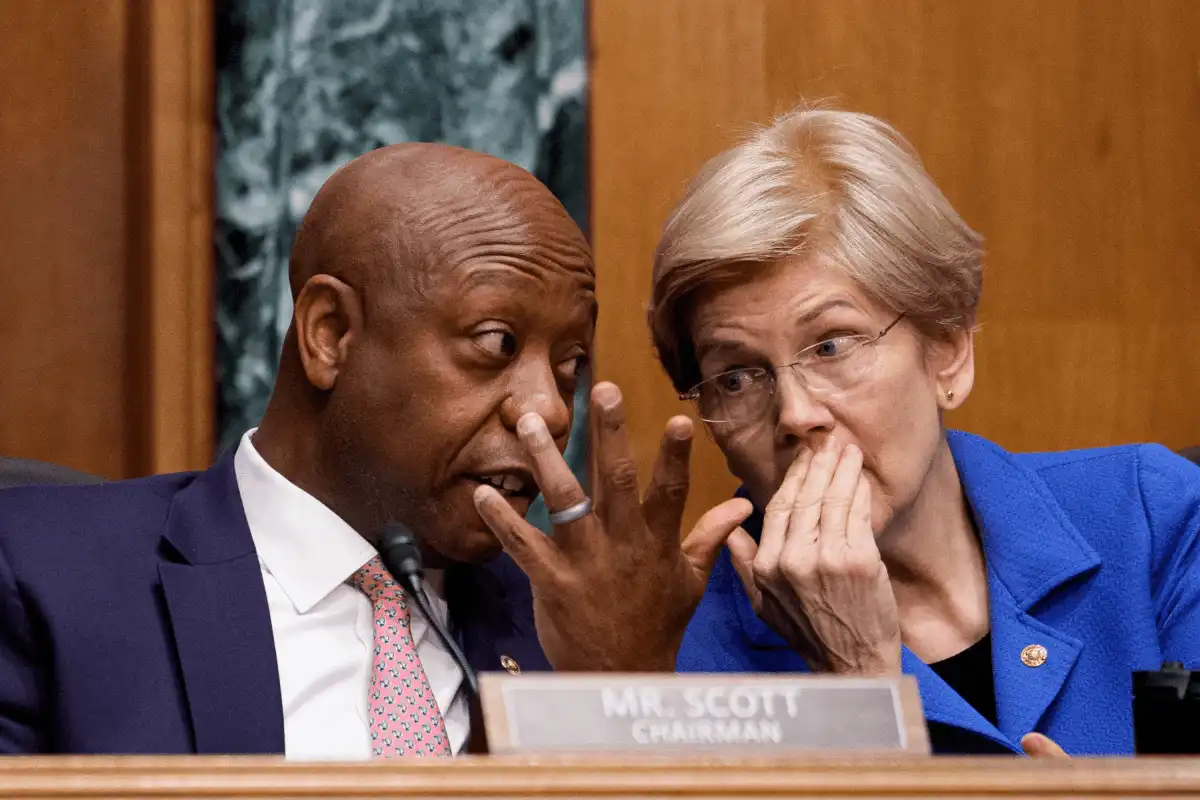
Little attention has been paid to the KIDS Act’s age verification provisions in Congress or in the media. Instead, opposition has centered around another bill in the package: the Kids Online Safety Act (KOSA). Democrats have objected to the softening of language in KOSA that would have assigned a “duty of care” to social media platforms, obliging them to prevent and mitigate potential harms to minors.
Because the KIDS Act specifically rules out a duty of care, it is expected to face a roadblock in the Senate. The Senate is considering a version of KOSA that does include “duty of care” language. If the House and Senate ultimately reconcile their different versions of KOSA, the age verification section of the KIDS Act could be included in any final package or could be dropped.
Related Legislative Activity
The passage of the KIDS Act follows other legislative developments in Congress. On Wednesday, February 11, 2026, the Republican-controlled House voted 218-213 to pass the SAVE America Act, a sweeping election bill. Republicans unanimously voted in favor, and all but one Democrat, Rep. Henry Cuellar, D-Texas, voted against it. This legislation would require states to obtain documentary proof-of-citizenship “in person,” such as an American passport or birth certificate, to register to vote in a federal election. It also requires voters to show photo identification to cast a ballot in person and new rules for mail-in ballots, requiring voters to submit a copy of an eligible ID when requesting and casting an absentee ballot.
In June 2026, a bipartisan housing bill, the 21st Century ROAD to Housing Act, passed Congress with strong cross-party backing, 358-32 in the House of Representatives and 85-5 in the Senate. All opposition came from Republicans, with no Democrat voting against the final bill. President Donald Trump, however, canceled plans to sign this bill until Congress passes the SAVE America Act.
In other legislative news, federal legislation regulating autonomous vehicles (AVs), the American Vision for Safer Transportation Through Advancement of Revolutionary Technologies (AV START) Act, will go no further in this session of Congress. U.S. Sen. John Thune, R-SD, confirmed this development. The AV START Act had stalled in the Senate, and time ran out on the bill after Senators passed a spending agreement to fund the government through February 8. This means that the Safely Ensuring Lives Future Deployment and Research in Vehicle Evolution Act (SELF DRIVE Act), which passed the U.S. House of Representatives in 2017, also goes no further.
Key Facts
- The U.S. House of Representatives passed the Kids Internet and Digital Safety (KIDS) Act on Monday, June 29, 2026.
- The bill passed by a vote of 267 to 117, with 104 Democrats voting in favor.
- The KIDS Act includes provisions for federal age verification requirements for adult websites, mandating "technology verification measures."
- Violations of the age verification provisions could result in civil penalties of up to $10,000 per violation.
- Opposition in the Senate is centered on the Kids Online Safety Act (KOSA) component of the KIDS Act, specifically regarding the absence of "duty of care" language for social media platforms.
- If the KIDS Act becomes law, its age verification provisions will supersede existing state laws.