Sexual wellness brands face unique marketing challenges due to platform rules, advertising restrictions, and content policies. In 2026, a focus on emotional marketing, which connects products to feelings, stories, or experiences, is presented as a strategic approach to build customer loyalty and navigate a difficult economic climate.
Emotional Marketing for Sexual Wellness Brands
Adult businesses often lack access to the full range of marketing tools available to mainstream brands. This limitation, combined with a challenging economy and more cautious consumers, suggests that past marketing tactics may no longer be sufficient. Instead of pursuing every new platform or trend, brands can prioritize approaches that give customers a reason to engage.
Emotional marketing aims to link a product with a feeling, story, or experience, moving beyond a sole reliance on specifications. Influencers, events, lifestyle imagery, and storytelling are identified as methods to achieve this. While product features such as what a toy does, its materials, and its value remain important, facts alone may not make a brand memorable. Consumers might forget specific vibration settings but could recall a creator who made them laugh, an event where they felt valued, or an advertisement that resonated with their personal experience. For pleasure brands, this approach offers an opportunity to transform advertising limitations into a reason for more deliberate investment in human connection.
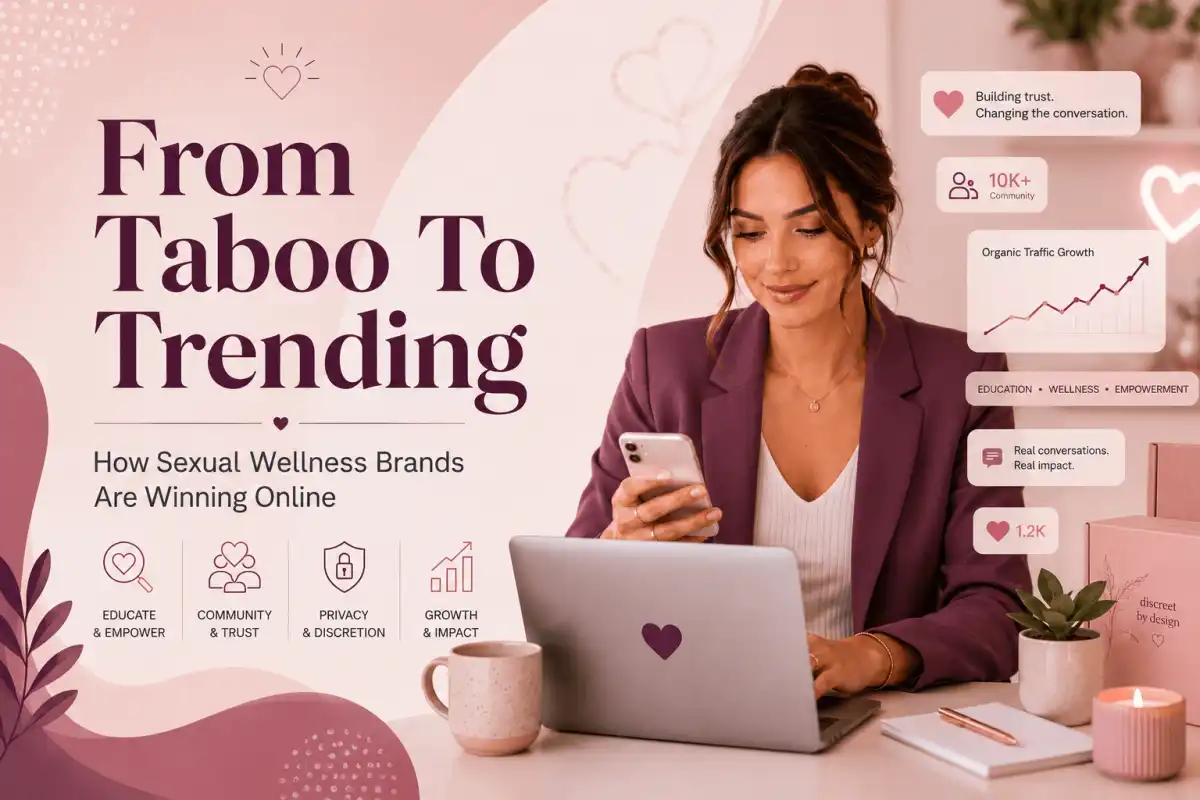
The sexual wellness industry has seen significant growth over the past decade, evolving from a niche category to a global market intersecting with healthcare, lifestyle products, technology, and personal wellbeing. The global sexual wellness market is projected to exceed $1 trillion by 2036, with an annual growth rate of over 12%. This growth reflects a cultural shift in consumer attitudes towards sexuality. Despite this expansion, marketing in the sexual wellness sector presents challenges, including social and cultural taboos, a lack of education, and restrictions on advertising and social media platforms. Brands that prioritize education, protect privacy, and build trust before seeking a sale are positioned to succeed in this personal product category.
Key Strategies for Connection
Building an Influencer Strategy
Influencer marketing is highlighted as a clear example of emotional marketing. Simple product concepts, such as viral lemon- and rose-shaped toys, have achieved high visibility online. While these trends may appear spontaneous, brands are advised not to assume they occur by accident. Creators can provide products with personality and context that traditional advertisements often lack. The familiarity followers have with a creator's voice, humor, and point of view can make a product introduction feel more personal when the partnership is a good fit.
The initial step involves defining campaign goals, such as awareness, direct sales, or reusable content. These goals should inform the brief, budget, and selection of creators. A realistic budget should be set for product samples, flat fees, or sales commissions. Brands should also assign specific targets for each platform rather than posting indiscriminately. Visual products may be suitable for short-form video, while toys with multiple functions might benefit from longer demonstrations or reviews. Micro-influencers should not be overlooked, as a smaller creator with an audience closely matching the target customer can be more effective than a large account with little connection to the product category. Working with multiple niche creators, though requiring more outreach and organization, can expose the product to several engaged communities. Maintaining a list of creators, including contact information, follower counts, audience fit, and outreach status, is recommended. Once a campaign starts, a clear brief should be provided, covering standout features, deadlines, required links, and disclosure requirements. Trackable links or promo codes should be used to measure engagement, traffic, or sales.
Turning Events Into Experiences
Events offer another method to build connections without relying solely on paid digital advertising. Alcohol companies have historically used sponsorships, festivals, and nightlife activations to integrate brands into consumer experiences. Pleasure brands can adapt this concept. When individuals attend a positive event, they associate the experience with positive memories. If a brand is part of this experience through a thoughtful activation, product demonstration, or gift bag, it can become part of that memory. For adult retailers and manufacturers, this could involve couples workshops, sexual wellness seminars, rooftop networking events, interactive product demonstrations, or nightlife activations. The format is less important than the alignment between the event, audience, and brand. Retailers do not require a large festival sponsorship budget; an in-store education night, a partnership with a local educator, or a small community event can create face-to-face connections on a more practical scale. The objective is to provide attendees with something useful or memorable, rather than simply displaying a logo. Education, entertainment, and genuine interaction give people a reason to remember the brand that created the experience.
Showing the Life Around the Product
Emotional marketing also applies to everyday creative assets. While product-on-white photography is useful for showcasing shape, color, and features, it may not help shoppers visualize how an item fits into their lives. Lifestyle photography can provide this context. Images depicting a hotel room, a romantic trip, an elegant bedroom, or a couple cooking before date night can convey the mood surrounding a product. The product remains central, but the image communicates the desired feeling. Storytelling can achieve a similar effect through words. Instead of describing a vibrator solely by power levels and material, a brand might frame content around a couple maintaining intimacy in a long-distance relationship, a woman rediscovering confidence after divorce, or busy parents making time to reconnect. These stories are most effective when they feel specific and believable, as consumers can detect forced emotion. The aim is not to manufacture sentiment for every product but to understand and honestly communicate the real experiences a product can support. For an industry with marketing constraints, this distinction is important. Restricted reach can lead brands to focus on being seen anywhere, but a more effective question is what customers will remember after seeing the brand. Influencers, events, lifestyle imagery, and storytelling all offer different answers, but share the principle of making the connection memorable.
Key Facts
- Sexual wellness brands face marketing limitations due to platform rules and advertising restrictions.
- Emotional marketing connects products to feelings, stories, or experiences rather than solely product specifications.
- Influencer marketing, events, lifestyle imagery, and storytelling are key components of emotional marketing.
- The global sexual wellness market is projected to exceed $1 trillion by 2036.
- Kate Kozlova, a sex educator and Kiiroo brand ambassador, authored the article on emotional marketing.
- The article was published on October 10, 2026.