
A Pennsylvania Republican state legislator has introduced a bill mandating default "porn filters" on electronic devices sold in the state, mirroring legislation signed in Utah. This state-level effort comes amidst a broader push by Republican politicians to introduce anti-sex legislation, including bills aimed at criminalizing pornography at the federal level.
Pennsylvania Bill Targets Device Sales
Rep. Jim Gregory (R-Blair) introduced House Bill 2865 in Pennsylvania, which has been referred to the House Consumer Affairs Committee. The bill proposes to hold companies criminally accountable for selling any computer, smartphone, or tablet in Pennsylvania without a default filter. These filters are intended to block children from accessing what the bill describes as "harmful content."
Rep. Gregory stated that his bill "mirrors legislation signed in Utah," which includes a provision that it "will not enter into effect until five additional states have adopted similar language." The Utah law provides a 10-year period for this condition to be met. A similar bill was defeated in Arizona in February 2022.
Gregory, whose background includes work as a TV sports journalist, claims these "porn filters" would "protect children from the damaging effects x-rated material can have on developing minds by protecting them from inadvertent exposure to porn or gain access they tried themselves."
Faith-Based Filtering and Advocacy
The concept of "pornography filters" has faced scrutiny. Applications such as Covenant Eyes have been marketed as monitoring apps to worshipers. A Wired report revealed details about these apps, leading to Google's application store removing them for violating its policies. Covenant Eyes and Accountable2You are appealing this ban.
Dawn Hawkins, CEO of NCOSE (formerly Morality in Media), a Republican operative and Mormon lobbyist, has supported "pornography filters." Hawkins has stated that "porn can be very addictive" and that research has "objectively determined a wide array of harms from pornography usage." She informed the Baptist Press that she has "learnt through thousands of people who have struggled with pornography addiction and addictions that the best way most of them have found to help is with an accountability model, similar to AA (Alcoholics Anonymous) and many successful gaming recovery programs." Ron DeHaas, president and co-founder of Covenant Eyes, chairs NCOSE's board of directors.
The LDS Church has also promoted "porn filters" in Utah and nationally. This promotion is based on church elders' doctrinal belief that all pornography, which for them includes all representations of sexuality beyond the Mormon marriage, is a scheme by Satan to destroy Mormon families. However, researchers have found no basis for categorizing pornography as an addiction, suggesting the idea may stem from religious conviction in response to personal feelings of shame and guilt.
Broader Republican Legislative Efforts
The Pennsylvania bill is part of a wider trend of proposed legislation by Republicans across the U.S. at both state and federal levels, targeting various aspects of sexuality. These bills are described as part of a post-Roe nationwide strategy by the religious wing of the Republican party.
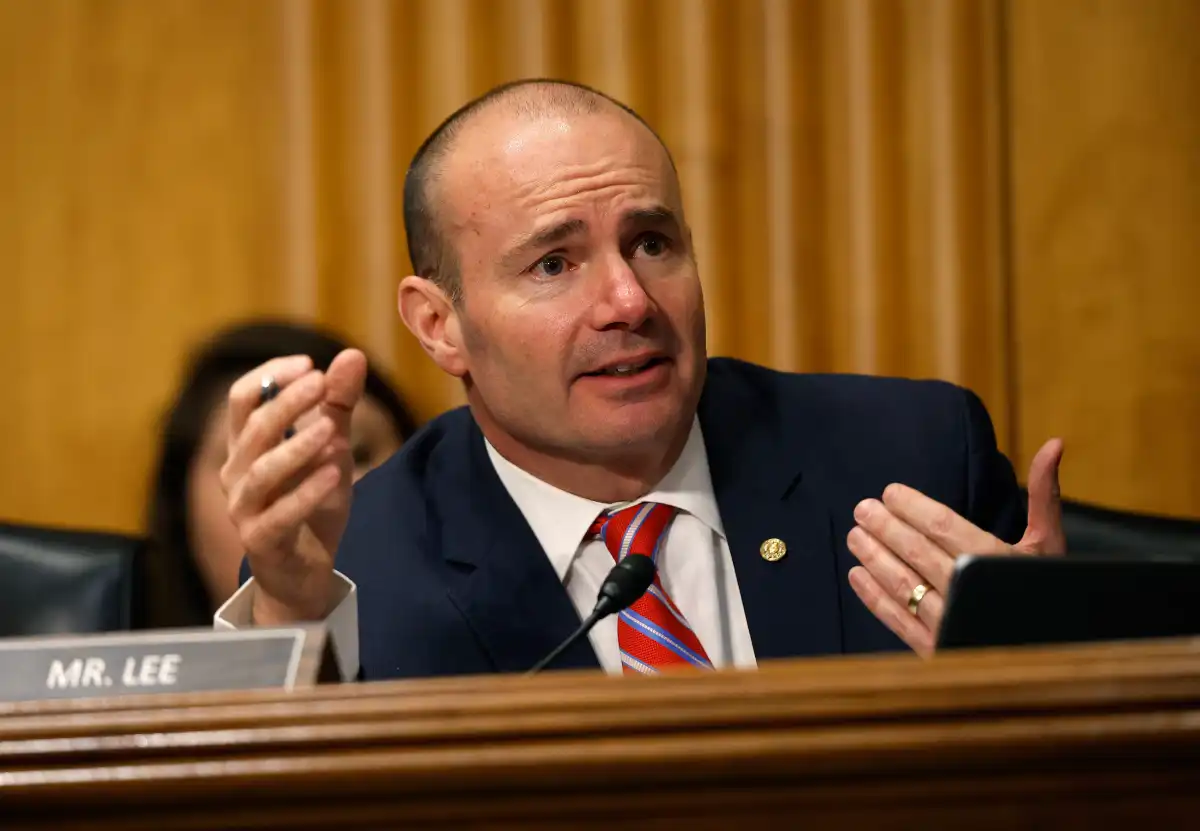
At the federal level, Senator Mike Lee of Utah and Illinois Rep. Mary Miller introduced draft legislation called the Interstate Obscenity Definition Act (IODA). This bill aims to criminalize pornography by redefining "obscenity" for the internet era. If ratified, IODA would make the possession of all media related to "prurient interest in nudity, sex, or excretion" a criminal act. The bill's authors state that a piece of content is obscene if, "taken as a whole, [it] appeals to the prurient interest in nudity, sex, or excretion," if it "depicts, describes or represents actual or simulated sexual acts with the objective intent to arouse, titillate, or gratify the sexual desires of a person," and if it "taken as a whole, lacks serious literary, artistic, political, or scientific value."
Senator Lee stated that "Obscenity isn’t protected by the First Amendment, but hazy and unenforceable legal definitions have allowed extreme pornography to saturate American society and reach countless children." Representative Miller added that their legislation "equips law enforcement with the tools they need to target and remove obscene material from the internet, which is alarmingly destructive and far outside the bounds of protected free speech under the Constitution."
At the state level, a wave of proposed legislation includes bills ranging from banning all businesses that sell sex-related goods to anti-drag queen bills. Tyler Dees, an Arkansas state senator who wrote an anti-porn bill, stated, "I would love to outlaw it all," referring to pornography. The most prevalent bills relate to age verification of sex-related websites, with seventeen states drafting such bills, many inspired by Louisiana’s law that went into effect in January.
Opponents of these laws suggest they could lead to prosecutions for breast-pump companies in Texas for nipples on advertising, bans on romance novels in West Virginia bookstores, or imprisonment for standup comics in South Carolina if a risque joke is heard by a young person.
Key Facts
- Pennsylvania House Bill 2865, introduced by Rep. Jim Gregory (R-Blair), mandates default "porn filters" on phones and computers sold in the state.
- The bill would hold companies criminally liable for selling devices without these filters, which are intended to block children from "harmful content."
- Rep. Gregory stated his bill "mirrors legislation signed in Utah," which will not take effect until five additional states pass similar laws within a 10-year period.
- Federal legislation, the Interstate Obscenity Definition Act (IODA), introduced by Senator Mike Lee of Utah and Rep. Mary Miller of Illinois, aims to criminalize pornography by redefining "obscenity."
- Faith-based "pornography filters" like Covenant Eyes have faced controversy, with Google removing them from its app store for policy violations, a decision currently under appeal.
- NCOSE CEO Dawn Hawkins and the LDS Church advocate for "pornography filters," citing concerns about addiction and the perceived destructive nature of pornography, despite scientific findings that do not classify pornography as an addiction.