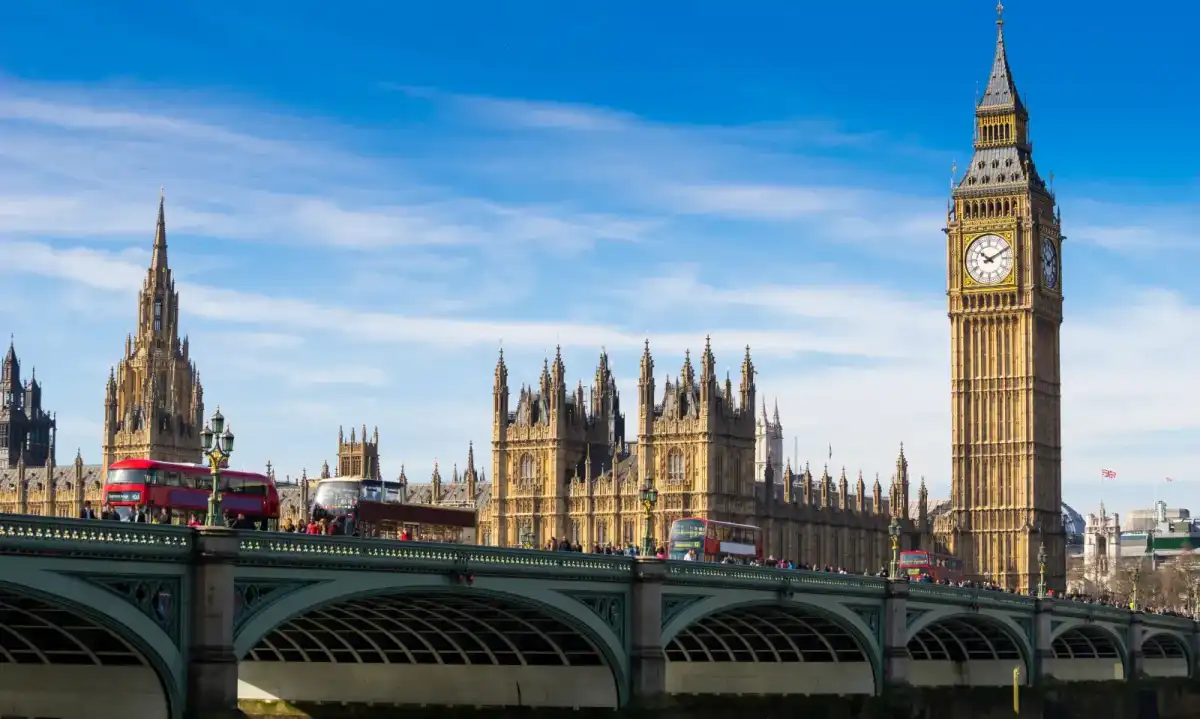
The House of Lords, the upper house of the United Kingdom's Parliament, has initiated an inquiry into the effectiveness of age-verification enforcement under the Online Safety Act (OSA) of 2023. This inquiry follows reported data breaches by age and identity-verification vendors and concerns regarding the Act's implementation.
Inquiry into Online Safety Act Effectiveness
On Monday, the Lords Communications and Digital Committee announced a formal inquiry to gather public feedback on the enforcement of age verification under the Online Safety Act. This move comes after several data breaches, including one affecting a vendor for Discord, raised concerns about privacy and the efficacy of current systems.
Baroness Barbara Keeley, a Labour Party MP and chair of the committee, stated that the Online Safety Act was adopted to introduce online safety regulations in the UK's digital space. However, she noted "serious allegations of ineffectiveness." Keeley explained that it is "now clear that the Act is not working as well as it should," and the committee aims to understand why. The inquiry will consider Ofcom’s interpretation, implementation, and enforcement of the OSA’s provisions, and whether these have led online services to make meaningful changes. It will also assess the impact of the OSA on children’s and adults’ online experiences and identify potential shortcomings in the Act itself.
Ofcom, the digital regulator, deployed age verification enforcement mechanisms last year and began investigating adult entertainment platforms. The regulator also collected hundreds of millions of dollars from tech platforms, many based in the United States. Ofcom released its first annual report on age verification usage and adoption earlier this summer. Despite these actions, lawmakers remain concerned.
The committee's "call for evidence" is open to stakeholders from domestic and international industries, including the adult industry. The deadline for written submissions is 5 pm (UTC/GMT +1) on Monday, September 7. One question posed by the committee asks for evidence that UK users are less exposed to illegal content and activity since the OSA's illegal content duties came into force. The Online Safety Act has reportedly made it more difficult for platforms to conduct self-regulation and implement trust and safety programming without governmental intervention.
Industry and Expert Responses
The Electronic Frontier Foundation (EFF) highlighted data privacy concerns in an August 2025 analysis published on its Deeplinks blog. Paige Collings, EFF's senior speech and privacy activist, wrote that the Online Safety Act is a "threat to the privacy of users," restricts free expression, exposes users to algorithmic discrimination through face checks, and excludes millions from internet access due to lack of personal devices or identification. In early March, 438 security and privacy researchers from 32 countries signed an open letter warning that age verification mandates are technically impossible, easy to circumvent, a threat to privacy and security, and likely to cause more harm than good.
Despite these observations, several stakeholders have confirmed their intent to submit written testimony to the committee. Iain Corby, executive director of the AVPA, welcomed the inquiry and agreed with Baroness Keeley's view that "any law is only as good as its enforcement." Corby stated that the AVPA has consistently reminded Ofcom that it is "imperative that it creates a level playing field by enforcing at scale." He added that while "issues with the legislation itself" are in scope, recommendations on accelerating the impact of the existing law would have a more immediate effect.
The Free Speech Coalition (FSC), an adult industry trade group, intends to inform Parliament of their prior warnings. Alison Boden, executive director of the FSC, stated that in the year since the Act went into effect, some adult platforms have experienced "overly aggressive enforcement by Ofcom" despite compliance efforts, while some "worst actors have exposed limitations of one country’s ability to police the entire internet." Boden confirmed that FSC will submit evidence to help shape future legislation.
Corey Silverstein, an attorney specializing in the online adult entertainment industry, expressed strong support for the inquiry. Silverstein stated that protecting children online is an important objective, but this objective "cannot exempt a law from scrutiny of whether it actually works—or of the harms it imposes on millions of law-abiding adults." He hopes the inquiry will produce an evidence-based reassessment of age-verification mandates and prevent similar mistakes in other jurisdictions considering such legislation. Silverstein emphasized that child safety and adult privacy are not mutually exclusive and effective policy must protect both.
Global Context of Age Verification
The UK's inquiry into age verification effectiveness occurs amidst a global trend of implementing and scrutinizing such measures. In December, Australia banned under-16s from social media. France finalized its own under-15 ban this week. The UK is also investigating the effectiveness of TikTok’s age checks. David Inserra, a fellow for free expression and technology at the Cato Institute, noted that laws presented as narrow fixes for children often lead to broader identity mandates for all users. He explained that to verify the age of children, platforms must verify the age of everyone, requiring an ID from every user.
Six months into Australia's ban, over 60% of Australian 12- to 15-year-olds who previously had social media accounts still retain access to at least one platform. Inserra described instances where children in Australia and other countries have circumvented facial-recognition and age-inference checks with minor alterations, such as ponytails or makeup. In the United States, at least half of states have passed some form of age verification or digital ID law, with many others considering similar legislation. The European Union continues to advance age assurance requirements through various regulatory channels.
Key Facts
- The House of Lords Communications and Digital Committee initiated an inquiry into the Online Safety Act's age-verification enforcement.
- The inquiry follows reported data breaches by age and identity-verification vendors.
- Baroness Barbara Keeley, committee chair, stated the Act is "not working as well as it should."
- Ofcom, the digital regulator, has deployed enforcement mechanisms and investigated platforms.
- The Electronic Frontier Foundation (EFF) and 438 security and privacy researchers have raised concerns about privacy and the technical feasibility of age verification.
- Industry stakeholders, including AVPA and FSC, intend to submit evidence to the committee.