Zondre Watson, general manager of technology and analytics for adult retail chain Ero-Tech, highlighted the critical role of retail expertise in effectively utilizing AI tools for store data analysis. Watson's insights, published on October 8, 2026, detail how human understanding of retail operations is essential to interpret and act upon data generated by AI systems, preventing misleading conclusions and ensuring accurate decision-making.
The Human Element in AI-Driven Retail
Watson emphasized that while software can identify data points, it lacks the inherent understanding of what constitutes "normal" or expected retail activity. This distinction is crucial for store owners relying on software for decisions related to buying, pricing, and inventory. Watson cited an instance where a barcode scan erroneously entered 8,388,607 into a quantity field, valuing a single line item at approximately $167 million. This absurd figure immediately caused an import failure, costing about 10 minutes to resolve. The more significant issue, however, was that the system was pulling incorrect sales data, treating canceled, voided, or refunded transactions as actual sales. Watson noted that no software was needed to understand that a $167 million transaction at a register was impossible, highlighting the necessity of retail intuition.
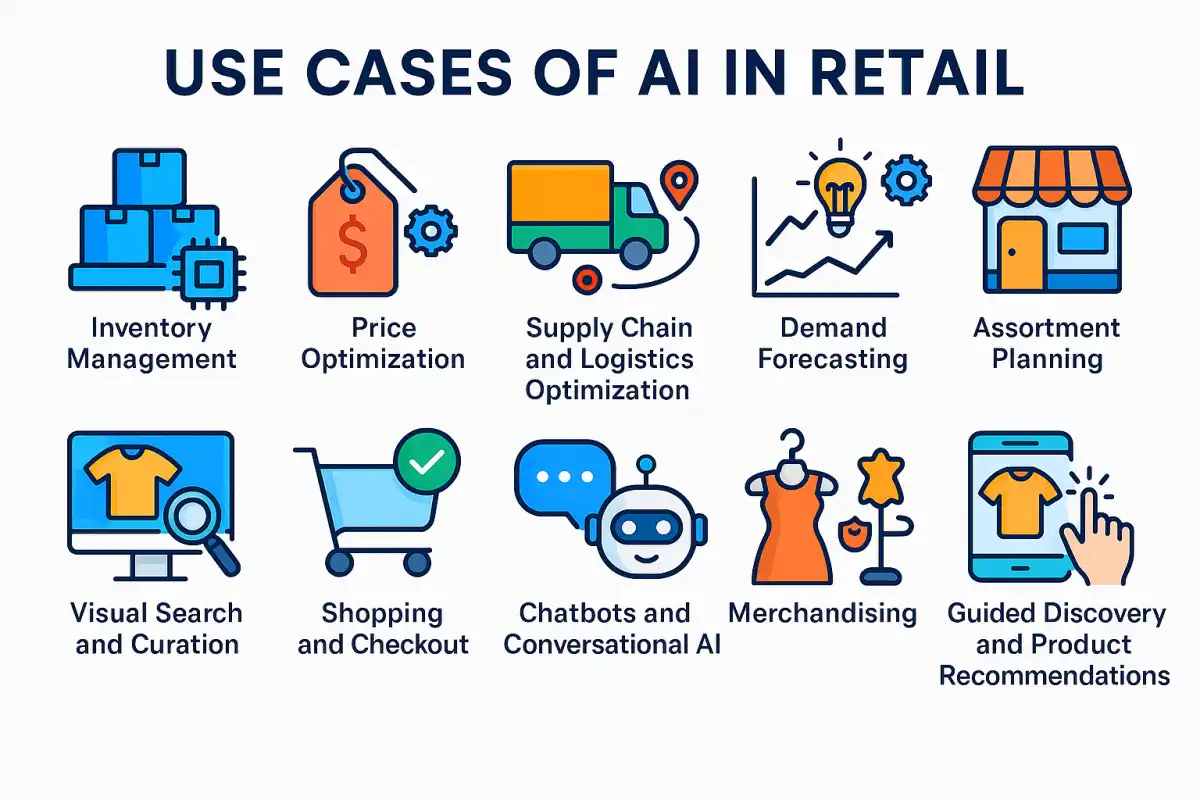
This observation aligns with broader industry discussions on AI in retail. IBM, in an article published October 10, 2024, noted that AI in retail enhances customer experience, business operations, and decision-making by analyzing data and automating processes. However, the management consultancy McKinsey found that many executives still struggle to implement these technologies successfully across their organizations. Voyado's "State of AI in Retail" report indicated that while 95% of retailers have experimented with AI, only 5% are seeing clear, scalable return on investment (ROI). Natasha Ellis-Knight, a content manager for Voyado, stated that this difference stems from how AI is used, with successful retailers drawing on nearly twice as many data sources and embedding AI into commercial decision-making with clear ownership and skills.
Challenges in Expanding AI Systems
Watson detailed challenges encountered during the expansion of Retalyz, Ero-Tech's inventory, ordering, margins, and store performance tracking system, from four test stores to all 21 locations. The primary difficulties were not in processing more information but in identifying problems that appeared normal on screen, where reports ran and numbers appeared without red flags, yet the results were incomplete or misleading. For example, when new stores were added to Retalyz, one automated margin check continued to monitor only the original four stores, resulting in no margin warnings for the new locations. This absence of alerts could be misinterpreted as all products being priced correctly, masking a significant oversight. Watson suggested that verifying results after changes, such as requesting real examples of all reports or alerts a new location should receive, is crucial. Similarly, a partial data file for sales history for a new store was accepted as complete, leading to nine months of missing history. This was identified by comparing sales records across locations, revealing that one store's data stopped in October while others showed sales through the previous week.
T. Leigh Buehler, writing for American Public University on March 4, 2024, noted that AI technology is transforming retail, from enhancing customer experience to optimizing operational processes and inventory management. Tractor Supply CEO Hal Lawton stated that his company leverages AI in its supply chain, human resources, and sales and marketing, with a focus on customer service. Tractor Supply uses an AI-powered tech assistant called "Gura" to help store associates provide high-quality service, such as finding dog food for sensitive skin, checking inventory levels, and pricing in real-time. However, as Watson's experience with Retalyz shows, even with advanced tools, human oversight remains vital to ensure data accuracy and prevent misinterpretation.
The Value of "Bad" Data and Accurate Reporting
Watson also addressed issues arising from attempts to optimize inventory checks. An initial shortcut to speed up the process involved checking only items with more than zero on hand, excluding discontinued items and negative quantities. While technically efficient, this created new problems from a retail perspective. Negative inventory, for instance, can indicate merchandise sold before shipment entry or receiving errors, providing valuable clues. Removing these "bad" numbers from reports can create a false sense of cleanliness while hiding critical problems. Similarly, excluding zeros meant the system could not identify stockouts, a key piece of information for buyers. Watson advised retailers to understand what data will disappear when filters are applied and what those records can reveal before removing them.
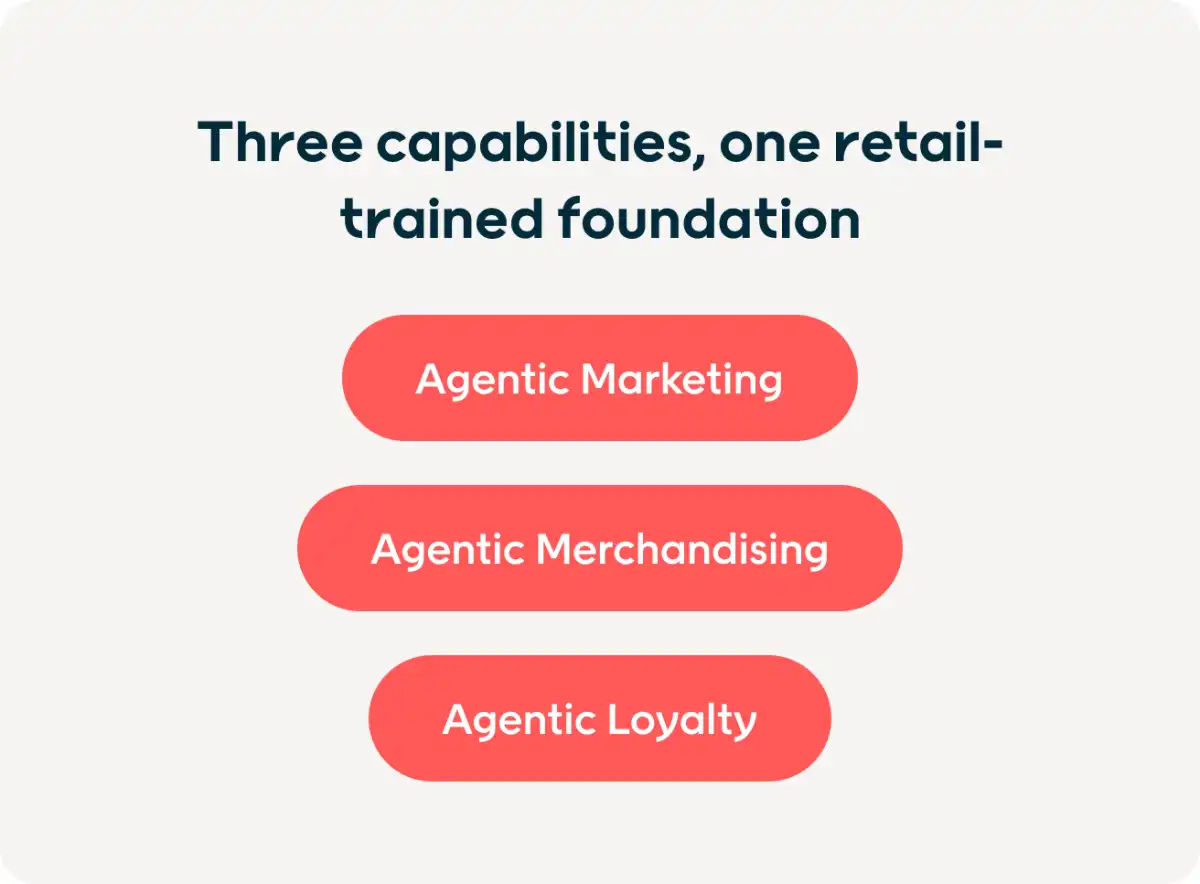
Furthermore, two fixes implemented in Retalyz initially made performance metrics appear worse. It was discovered that sales revenue was recorded before discounts, inflating margins, and that parked and voided transactions were counted as revenue. Correcting these issues removed $210,342 from historical sales totals. Despite the reported margin and revenue declining, the business itself remained unchanged, with reports becoming more transparent and accurate. Watson concluded that the goal is not a dashboard filled with only positive news, but one that users can rely on. This underscores the importance of retail-trained AI, which, according to Voyado, is built on real retail data and behavior, supporting better product discovery, stronger demand forecasting, and more relevant customer experiences by understanding margin, inventory, and lifecycle signals.
Key Facts
- Zondre Watson is the general manager of technology and analytics for adult retail chain Ero-Tech.
- Watson oversees Retalyz, a system tracking inventory, ordering, margins, and store performance across 21 locations.
- An erroneous barcode scan resulted in a single line item valued at approximately $167 million, causing an import failure.
- Correcting reporting issues, such as counting parked and voided transactions as revenue, removed $210,342 from historical sales totals.
- Voyado's "State of AI in Retail" report found that only 5% of retailers experimenting with AI are seeing clear, scalable ROI.
- IBM reported on October 10, 2024, that generative AI alone is forecast to create between USD 240 billion and USD 390 billion in economic value for retailers.