Political commentator Tim Pool has drawn attention to recent media reports suggesting that Black Lives Matter protests may have contributed to a slowdown in coronavirus spread in some cities. This perspective challenges initial concerns from public health officials regarding potential super-spreading events.
Black Lives Matter Protests and COVID-19 Spread
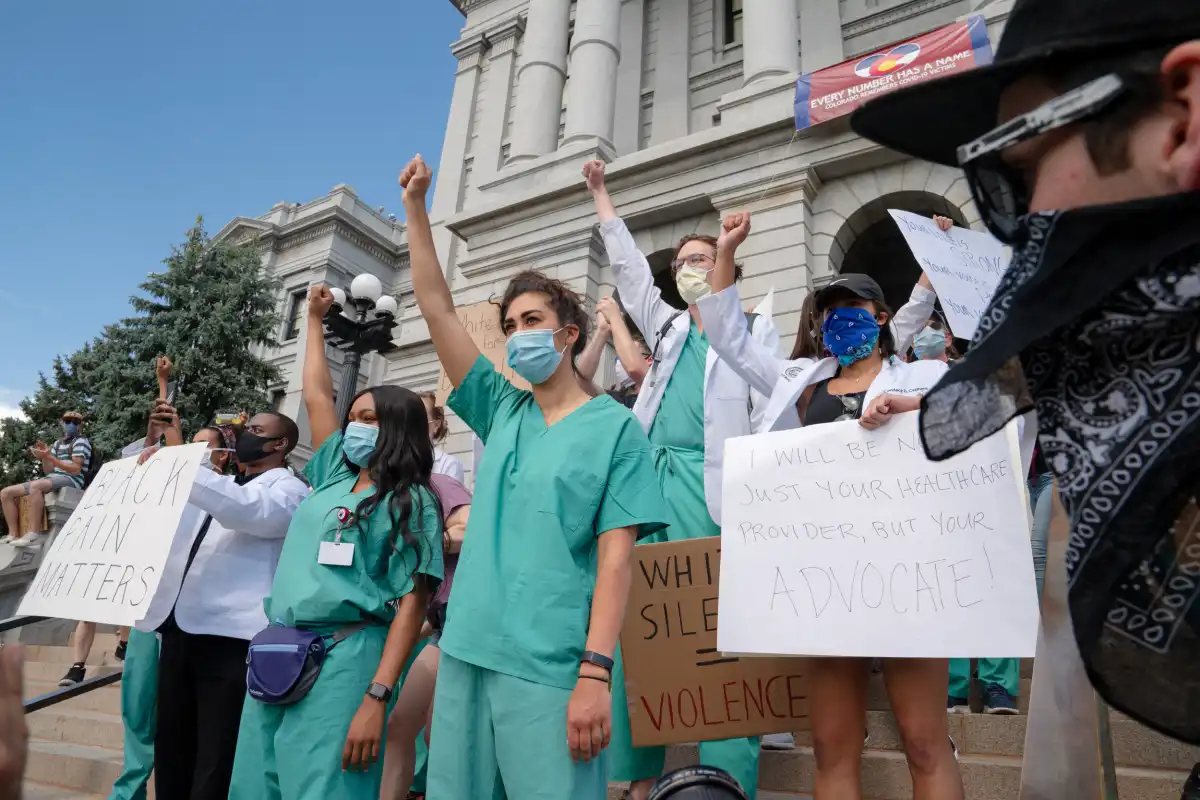
A new study, which includes a University of Colorado Denver professor, indicates that Black Lives Matter protests may have slowed the overall spread of the coronavirus in cities that experienced large demonstrations, including Denver. Andrew Friedson, a CU-Denver professor and co-author of the paper, stated that the effect for the entire city was more social distancing because people not participating in protests were staying away. Friedson specializes in the economics of health care, a field that has contributed to understanding behavioral changes during the pandemic.
Public health officials had expressed concerns about the potential for protests, which drew large crowds, to become super-spreading events for the virus. However, a nationwide research team's findings suggest a different outcome. The study's authors believe that individuals who did not attend the protests opted to stay home, leading to increased social distancing among the broader population.
National Trends and Public Health Observations
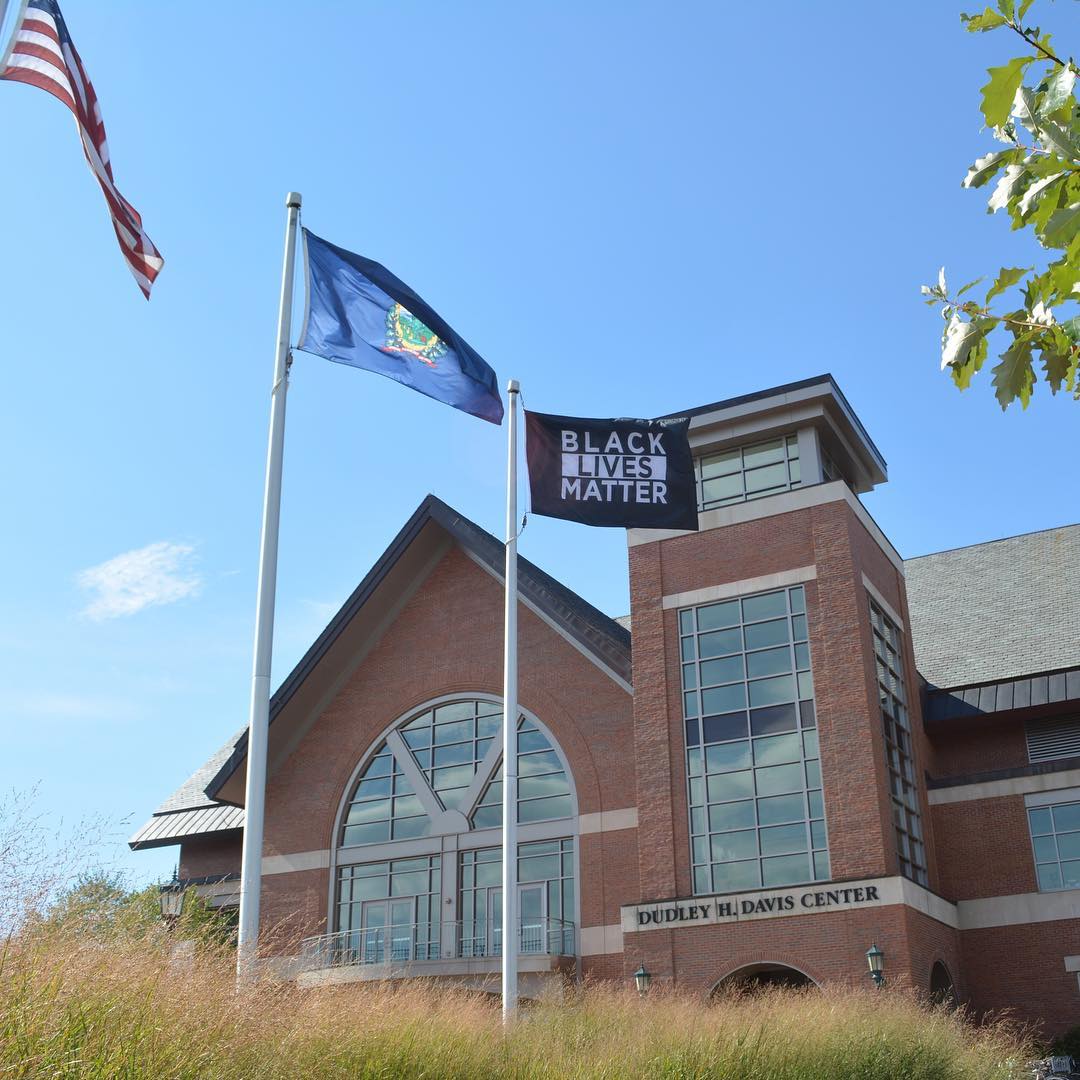
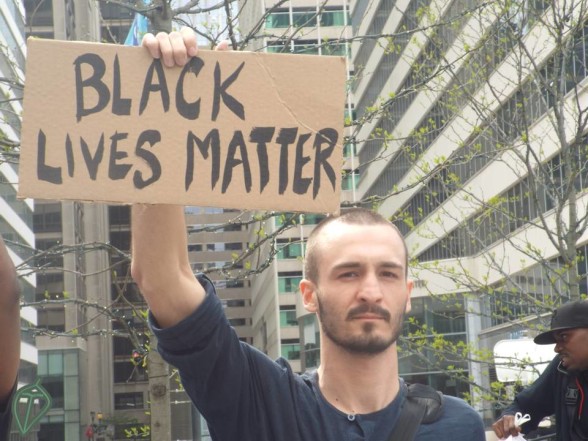
Across the U.S., public health officials have identified a "bright spot" amidst rising daily coronavirus cases: the nationwide Black Lives Matter protests, which began after George Floyd’s death in Minneapolis in May. These protests have not, as of recent observations, appeared to be the "superspreader" events some had feared. Cities such as New York, Chicago, and Philadelphia, which experienced major protests, have not reported a new surge in cases in the weeks following the demonstrations.
Furthermore, in states and cities that specifically conducted testing of protestors, including Massachusetts, Seattle, and Minnesota, results indicated that demonstrators were not significantly more likely to test positive for COVID-19 compared to the general population. Chad Cotti, an economics professor at the University of Wisconsin-Oshkosh, noted that mixing in large groups increases the probability of transmission, but the extent of transmission depends on factors such as mask-wearing, physical contact, and whether events are indoors or outdoors. Many demonstrators were young, and therefore potentially more likely to develop mild or asymptomatic cases of COVID-19.
Tim Pool's Commentary
Tim Pool, an American political commentator and podcast host, has highlighted these findings. Pool, born Timothy Daniel Pool on March 9, 1986, in Chicago, Illinois, is known for his political commentary. He gained recognition for live streaming the 2011 Occupy Wall Street protests. Pool has worked with Vice Media and Fusion TV and maintains a presence on YouTube and other platforms. His YouTube channels include Tim Pool, Timcast, and Timcast IRL, with subscriber counts of 1.37 million, 1.29 million, and 1.9 million respectively, as of September 22, 2024. Pool's commentary often addresses media narratives and political topics.
Key Facts
- A new study suggests Black Lives Matter protests may have slowed coronavirus spread in some cities, including Denver.
- Andrew Friedson, a University of Colorado Denver professor, co-authored the study, noting increased social distancing by non-protestors.
- Public health officials observed that nationwide Black Lives Matter protests had not, as of recent reports, caused a COVID-19 spike.
- Cities like New York, Chicago, and Philadelphia did not experience new surges in cases following major protests.
- Testing in Massachusetts, Seattle, and Minnesota indicated protestors were not significantly more likely to test positive for COVID-19.
- Tim Pool, a political commentator, has drawn attention to these findings regarding the protests and coronavirus spread.