The House of Representatives has passed the Kids Internet and Digital Safety (KIDS) Act (H.R. 7757) by a vote of 267-117, marking a federal step into age verification for adult websites. This legislation, if enacted, would establish nationwide age verification standards, potentially altering the current landscape of state-specific requirements.
Federal Legislation Targets Adult Websites
The KIDS Act bundles multiple child safety measures, including elements of the Kids Online Safety Act (KOSA), privacy protections, and rules for AI chatbots and gaming. For the adult industry, the most direct impact comes from Title I, known as the "Shielding Children's Retinas from Egregious Exposure on the Net Act" (SCREEN Act).
The SCREEN Act targets "covered platforms," defined as publicly accessible websites or online platforms where more than one-third of the material is "sexual material harmful to minors." This definition draws from obscenity standards tailored for minors, including prurient-interest depictions lacking serious value for them, or child pornography. Operators who knowingly make such material available would be required to comply.
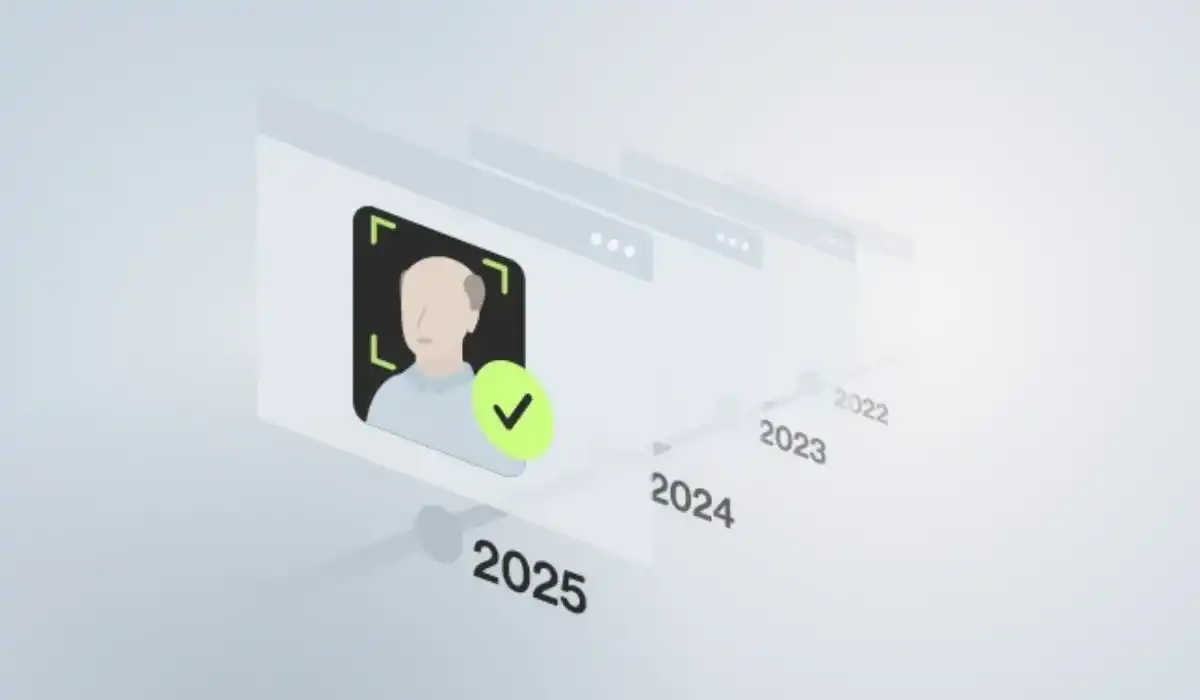
Beginning one year after enactment, providers would need to adopt and utilize commercially available "technology verification measures" to determine if a user is more likely than not a minor. They would also be required to prevent identified minors from accessing sexual material harmful to minors. The bill specifies that self-attestation, such as clicking "I am 18+," cannot be used as the sole method of verification. Additionally, platforms must provide clear notice about verification processes and data handling, and take reasonable measures against circumvention. The collection, use, retention, and disclosure of verification data must be limited to what is strictly necessary, with strong security practices.
The bill does not mandate government-issued ID submission, allowing operators to choose methods or contract with third parties for age verification services, though operators remain liable. Enforcement would primarily fall to the FTC as an unfair or deceptive trade practice, with state attorneys general also able to bring civil actions against noncompliant operators.
Operational Impacts and Preemption Concerns
For adult platforms, particularly tube sites, aggregators, and major content hosts, nationwide age verification could present significant challenges. These include technical and cost challenges associated with implementing reliable age verification at scale, which often requires third-party services utilizing biometrics, facial estimation, or device data. While competition is driving costs down, implementation could still be prohibitive for smaller operators.
User experience and traffic could also be affected, as privacy-conscious adults may abandon sites requiring scans or data sharing, potentially reducing traffic, advertising revenue, and subscriptions. Platforms would also need ongoing measures to address circumvention through VPNs and proxies. Collecting verification information creates data privacy and security risks, increasing liability and potential hacking targets. Breaches could trigger FTC scrutiny or lawsuits, with international operators facing additional complications regarding cross-border data flows. Operators remain liable even when using third-party age verification providers, and the requirement to take "reasonable measures" against circumvention is vague, potentially inviting enforcement actions if minors gain access.
Broader industry effects could include platforms overblocking or changing their content policies to remain below the "more than one-third" threshold, which could chill constitutionally protected adult speech. The Supreme Court's 2025 decision in Free Speech Coalition v. Paxton upheld Texas' similar age verification requirement under intermediate scrutiny, providing constitutional breathing room for these mandates.
A critical aspect for the adult industry is the bill's approach to state laws. The KIDS Act aims to establish a national standard for covered platforms, enforced by the FTC. The bill generally appears to employ conflicts-based preemption, displacing state laws that conflict with the federal framework while allowing states to enact stronger protections in some areas. This could result in a scenario where age verification is required nationwide, but some states could continue enforcing stricter laws, including criminal prohibitions or reverification requirements. While a federal floor could provide greater consistency and baseline privacy protections, states could still enact harsher requirements, pursue overlapping enforcement actions, or scrutinize platforms outside the federal definition of a covered platform. Other state consumer protection, tort, and contract laws may also remain applicable.
The bill's one-year compliance period raises questions about its effect on existing state laws. Depending on the final preemption language and judicial interpretation, the industry might receive a year of relief from conflicting state requirements before federal obligations take effect. However, state attorneys general could argue that their existing laws are stronger and remain enforceable during that period.
Senate Path and Industry Outlook
Despite bipartisan passage in the House, the KIDS Act faces an uncertain path in the Senate, which is advancing its own approach to children's online safety. On August 5, the Senate Commerce Committee advanced the Kids Online Safety Act (S. 1748) by voice vote. The committee also voted 15-13 in favor of its standalone SCREEN Act (S. 737), though a revote is required due to procedural rules.
The Senate proposals differ from the House package. The Senate version of KOSA retains a "duty of care" requirement that would impose broader obligations on platforms to mitigate harms to minors. The Senate SCREEN Act could also apply more broadly than the House version, reaching commercial services that make qualifying material available without requiring it to account for more than one-third of their content. The extent of federal preemption remains a point of contention, as Senate leaders seek to preserve states' ability to enact stronger child protection and AI laws. Free speech concerns, industry lobbying, and competing legislative priorities further complicate the path toward reconciling the two chambers' approaches.
Lawrence G. Walters, who heads Walters Law Group, stated on September 26, 2026, that for the adult industry, Senate negotiations could produce stronger data protections, clearer verification standards, or changes to enforcement. Until Congress reaches an agreement, platforms must continue navigating the existing patchwork of state laws. Walters also noted that the KIDS Act is now before the Senate Commerce Committee, where its fate remains uncertain amid competing legislative proposals and ongoing debates over free speech, privacy, and efficacy. He advised adult website operators to begin auditing their content ratios, exploring compliant verification partners, and modeling costs for potential nationwide compliance. He also recommended consulting counsel to prepare for the one-year compliance window if the bill advances, suggesting proactive steps such as enhanced self-regulatory tools or user education to mitigate risks.
Key Facts
- The House passed the Kids Internet and Digital Safety (KIDS) Act (H.R. 7757) by a vote of 267-117.
- Title I of the KIDS Act is the "Shielding Children's Retinas from Egregious Exposure on the Net Act" (SCREEN Act).
- The SCREEN Act applies to platforms where more than one-third of material is "sexual material harmful to minors."
- It requires "technology verification measures" and prohibits self-attestation as the sole verification method.
- Enforcement falls primarily to the FTC, with state attorneys general also able to bring civil actions.
- The Senate Commerce Committee advanced its own Kids Online Safety Act (S. 1748) and a standalone SCREEN Act (S. 737).