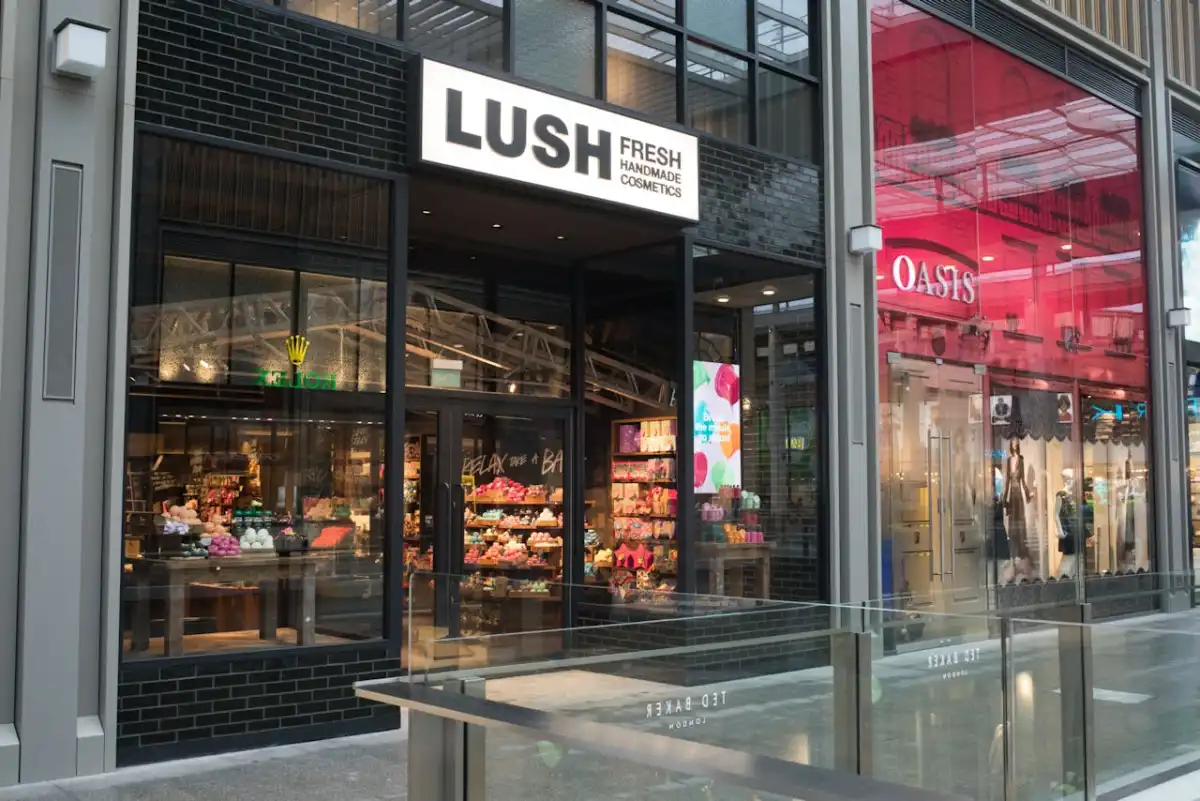
Cosmetic company Lush has maintained its "anti-social" media policy for over three years, ceasing posts on major platforms like Instagram, Facebook, TikTok, and Snapchat due to concerns over content moderation, addictive algorithms, and data collection policies. The brand’s chief digital officer, Jack Constantine, stated that "things have gotten worse" with social media platforms since Lush initially logged off.
Lush's Stance on Social Media
Lush announced in November 2021 that it would no longer post on Meta platforms, including Instagram and Facebook. This decision followed former Facebook employee Frances Haugen's leaks, which revealed the company's awareness of its algorithm's harm to teenagers. The brand's Instagram profiles, such as @lushcosmetics and @lush, display a "No Posts Yet" graphic and a highlight stating, "Be somewhere else." Lush's policy also extends to TikTok and Snapchat, and since FY23, the company has divested 50% from Google, Apple, and Microsoft, with plans to eliminate paid ads on Google by FY26.
Jack Constantine, Lush's chief digital officer, told Forbes that the company "just can’t condone platforms when we know what they’re doing and you get a whistleblower situation and they don't change anything about the policy." He highlighted that Lush's audience includes teenage girls, a demographic linked to high suicide rates in statistics. Constantine emphasized that Lush's decisions are driven by principles and comfort, not always popularity, necessitating "hard choices." He also told Marketing Brew that "things have gotten worse" with social media platforms, citing Meta’s content moderation policies, the proliferation of pro-Nazi hate speech on X, and ongoing concerns about third-party data usage. Constantine further stated, "It’s more and more evident that the tech billionaires in charge don’t really care. They just want to make sure that the platforms are making money."
Annabelle Baker, brand and marketing director at Lush, recalled that the decision to quit social media went against industry trends. She noted that while social media had been effective for reaching customers, algorithms had made it increasingly difficult, especially without paying for visibility. Baker stated that even before the final decision, social media had not been delivering for the brand. She acknowledged that the marketing industry was "aghast" but believed that the social platforms' operational methods would "come unstuck."
Marketing Strategy Beyond Major Platforms
Despite its "anti-social" stance, Lush is not entirely offline. The brand maintains an active presence on YouTube, LinkedIn, and Pinterest. Lush's YouTube channels, Lush and Lush Cosmetics North America, have nearly 600,000 combined followers. The company also operates an affiliate marketing program, which Constantine described as part of a broader word-of-mouth marketing strategy. The primary focus has been on developing the brand's owned channels.
Mark Constantine, Lush CEO, estimated at the time of the initial departure that the company could lose £10 million, or over $12 million, as a result of leaving Meta platforms. The move, while initially generating headlines, did not inspire a mass brand exodus from Meta as Lush had hoped. Many individuals were either unaware or had forgotten about Lush's departure from Facebook and Instagram.
Impact and Industry Recognition
Lush's decision to withdraw from major social media platforms has been described as a bold statement and action, particularly given that Facebook and Instagram are often central to digital marketing strategies. This move has attracted press coverage, potentially earning new followers and strengthening the loyalty of existing customers. The focus of discussion has shifted from campaign messaging to its delivery method, sparking conversations among advertisers and marketers beyond the beauty industry.
Scarlett Ward, affiliate and influencer manager at Little Leaf Agency, a PR and communications agency specializing in sexual wellness, noted that Lush's action is likely to resonate with Gen Z. Research indicates that Gen Z's core ideological values significantly influence their habits and behavior. Ward suggested that customer trust and loyalty are enhanced when a brand aligns with their beliefs. Lush, with a history of taking stands on issues like animal testing and horse racing, is seen as communicating this message. Ward also stated that by making what it considers a conscientious choice, Lush has accurately identified its target audience and positioned itself to appeal to that demographic. She added that a brand that understands its audience's online habits and thinking can better ensure its message is present in those spaces and communicate more fluently, building connections and acquiring new customers.
Key Facts
- Lush ceased posting on Instagram, Facebook, TikTok, and Snapchat as part of its "anti-social" policy.
- The decision was influenced by concerns over content moderation, addictive algorithms, and data collection policies, as well as revelations from former Facebook employee Frances Haugen.
- Lush remains active on YouTube, LinkedIn, and Pinterest, and operates an affiliate marketing program.
- Jack Constantine, Lush's chief digital officer, stated that "things have gotten worse" with social media platforms since the brand logged off.
- Mark Constantine, Lush CEO, estimated a potential loss of £10 million (over $12 million) from leaving Meta platforms.
- The company has divested 50% from Google, Apple, and Microsoft since FY23 and plans to eliminate paid ads on Google by FY26.