
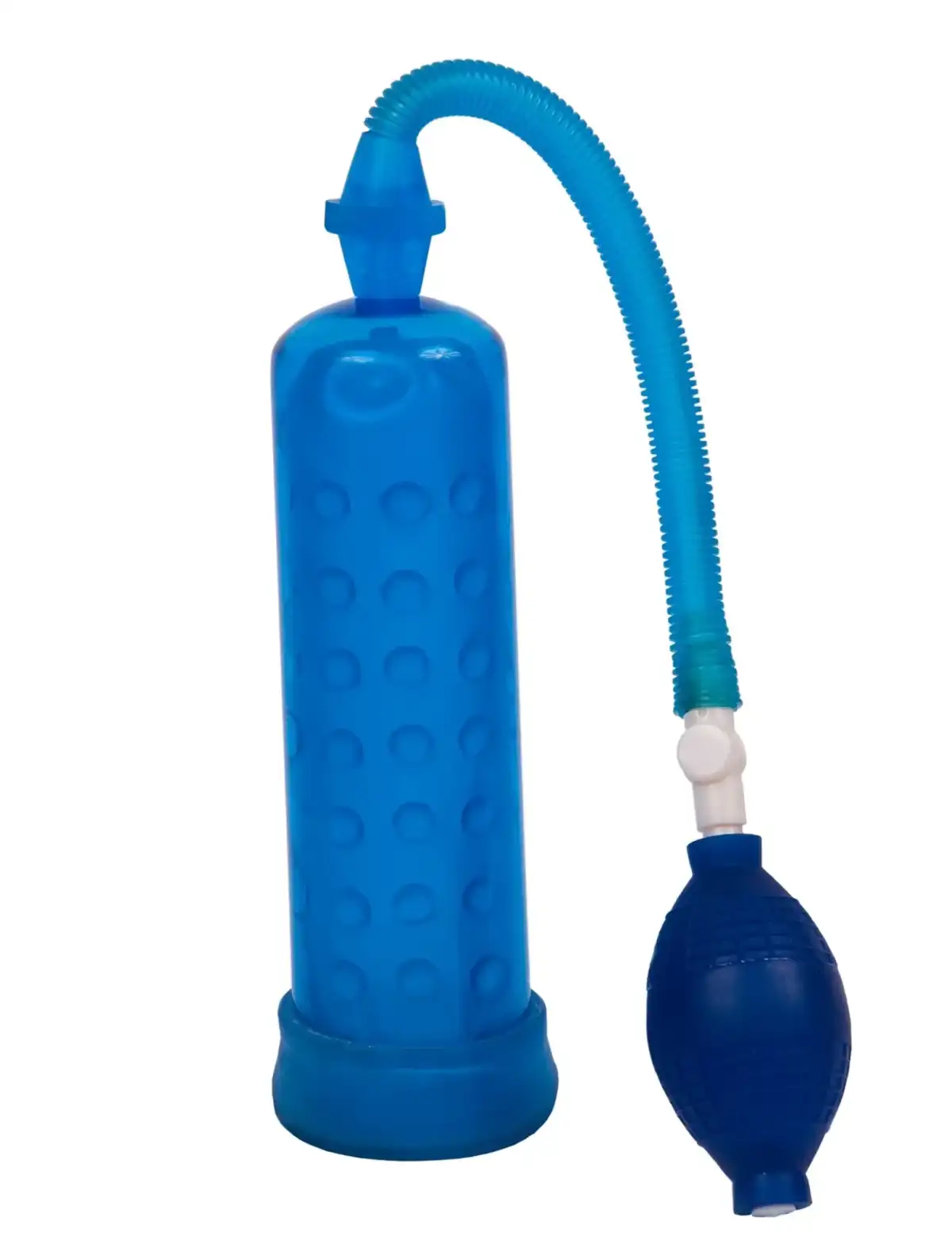
Bathmate, a manufacturer of hydrotherapy penis pumps, is advocating for standardized regulation of penis enlargement products, asserting that penis pumps should be classified as medical devices rather than adult novelties. The company emphasizes its long-standing adherence to stringent manufacturing and compliance standards, including FDA registration and ISO certification.
Redefining Penis Pumps: Medical Devices, Not Novelties
Bathmate, established in 2006, has consistently produced hydrotherapy pumps that utilize warm water and suction to enhance erectile function. The company views the perception of penis pumps as mere novelty items as irresponsible. Tim Brown, global brand manager for Bathmate, who also leads global sales and compliance, states that Bathmate's water-powered penis pumps, along with all penis pumps, technically fall into the medical device category.
Brown explains that FDA regulations classify products as medical devices if they "affect the structure or any function of the body." He notes that penis pumps are commonly used to treat erectile dysfunction and are specifically termed "external penile rigidity devices" by the FDA, as they are used to create or maintain an erection for sexual intercourse. Constriction rings, which restrict venous blood flow during sex, are also categorized as external penile rigidity devices.
The FDA classifies penis pumps and constriction rings as Class II medical devices due to potential risks to consumers, which can range from injury due to deficient design to the aggravation of existing medical conditions through misuse. Consequently, companies manufacturing and selling these products are required to adhere to FDA design and manufacturing specifications and labeling requirements to ensure product safety and effectiveness.
John Oakes, a mechanical engineer and founder of Bathmate, developed the Bathmate penis pump to function as "a gym workout for your penis." The product aims to provide results for men seeking increased length and girth, or those with erectile dysfunction, through daily use, similar to a physical exercise routine. Brown states that Bathmate aims to distinguish itself from competitors, emphasizing the importance of safety for consumers using such products.
Commitment to Compliance and Quality Standards
Bathmate asserts that it has maintained high standards since its inception. Brown clarifies that the company's recent advocacy for standardized regulation does not indicate a new commitment to medical device regulations. He states that Bathmate has always manufactured to a high standard, supported by certifications and accolades. The company continuously seeks improved manufacturing methods, including those that are more environmentally friendly.
Bathmate has been an FDA-registered establishment for years, with every product listed in the FDA's database. The company has also obtained International Organization for Standardization (ISO) certification for its medical device quality management system and manufacturing processes. Brown highlights that Bathmate's U.K. manufacturing facility undergoes routine inspections covering quality control and assurance systems, pressure testing, traceability of individual parts and completed product assemblies, and customer-facing policies. These inspections are described as intensive and week-long.
Regulatory compliance is a significant undertaking for Bathmate. Brown confirms that regulatory compliance is a full-time job for the company, which retains two outside FDA consulting firms and employs one individual solely dedicated to implementing its compliance program. Brown notes that meeting the stricter U.S. standards generally facilitates compliance with regulations in other parts of the world, often requiring only minimal changes to products.
Brown emphasizes that the core purpose of understanding and complying with governmental regulations is consumer safety and product efficacy. He states that FDA registration ensures that medical devices incorporate design features that mitigate injury risk and are safe and effective when used as directed. He advises other penis pump manufacturers to understand FDA requirements, including complex anatomical and engineering knowledge related to safety limits under pressure, the pressure generated by their pumps, and the consequences of exceeding safe pressure limits.
Industry-Wide Call for Consumer Safety
Brown expresses a desire to unite the industry around consumer care. He believes that registering with the FDA and manufacturing safe, effective, and fully traceable products should be a universal goal for all companies in the sector. He suggests that this commitment to high standards contributes to Bathmate pumps being among the highest-quality penis pumps globally.
The Bathmate pump, developed by John Oakes in 2006 to assist a friend with a spinal injury who was unable to achieve or maintain an erection, uses water and suction to create and enhance erections. The product is protected by design registration, patents, copyright, and trademark. Hydro penis pumps, which use water to facilitate suction, are gaining popularity due to their effectiveness and quick results, and are considered by some to be a non-medicated treatment for erectile dysfunction. Bathmate is recognized for its hydro pump series.
Key Facts
- Bathmate, founded in 2006, manufactures hydrotherapy penis pumps.
- Tim Brown, global brand manager for Bathmate, states that penis pumps should be classified as Class II medical devices by the FDA.
- The FDA defines penis pumps as "external penile rigidity devices" used to create or maintain an erection.
- Bathmate is an FDA-registered establishment and holds ISO certification for its medical device quality management system.
- John Oakes, a mechanical engineer, developed the Bathmate penis pump.
- Regulatory compliance is a full-time job for Bathmate, involving outside FDA consulting firms and a dedicated employee.