Insecurity is a common challenge for content creators in the adult industry, impacting self-confidence and workflow. Industry professionals and mental health resources are offering strategies to address these feelings, which can stem from physical appearance, mental and emotional states, and creative blocks.
Understanding Insecurity in Content Creation
Insecurity is a prevalent experience, affecting individuals through physical, emotional, and mental manifestations. For content creators, whose work often involves public display and sharing, these insecurities can significantly impact daily life, leading to self-doubt and anxiety. Physical insecurities, such as weight fluctuations, skin issues, or even a bad hair day, are particularly common in an industry where appearance is part of the "product." The intense scrutiny on social media and the daily demands of content creation can make it difficult for creators to remember that their worth extends beyond their physical looks.
Mental and emotional insecurities present equally significant challenges. These often originate from past experiences or negative self-talk, manifesting as feelings of worthlessness or a lack of self-confidence. Recognizing and addressing these insecurities through healthy means, such as therapy or self-reflection, is crucial. Healing is a process, and seeking help from medical professionals or industry-specific services like Pineapple Support is an option.
Creative blocks can also contribute to feelings of inadequacy and self-doubt. The pressure to consistently generate fresh ideas and avoid repetitive content, such as the same sexting or solo material, can lead to a sense of living a "Groundhog Day" scenario, where creators feel they are not producing anything worthwhile.
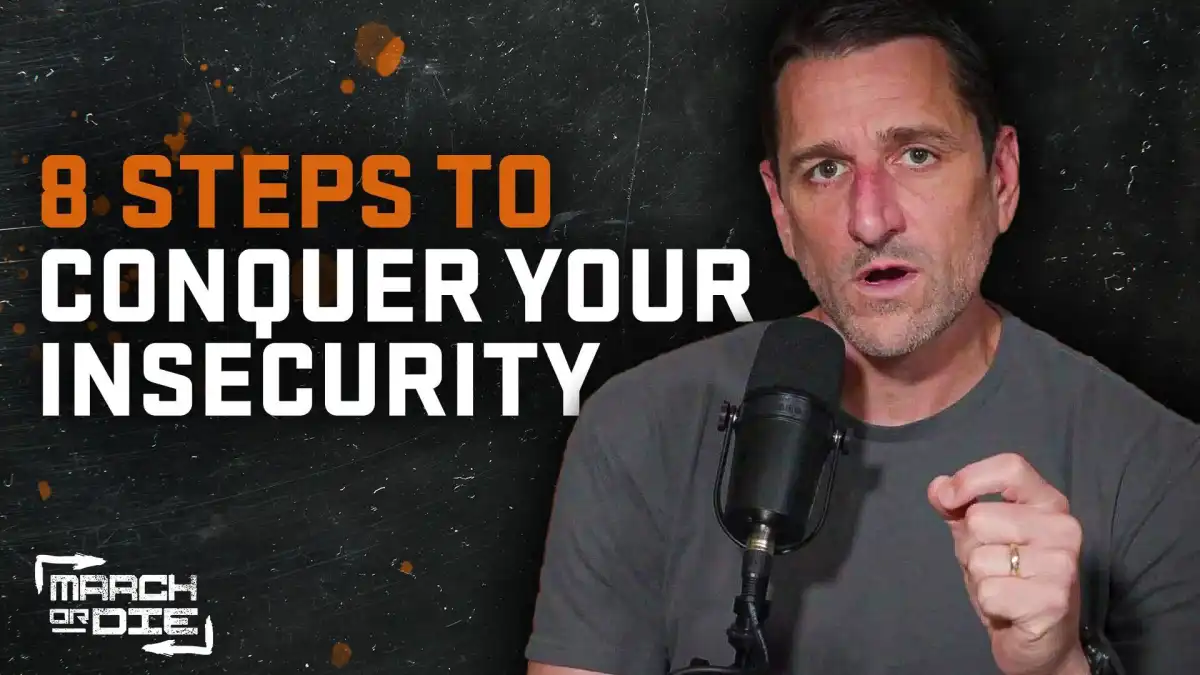
Insecurity is defined as what an individual believes to be true about themselves but wishes to conceal from others. It is the internal voice that suggests one is not smart, capable, or worthy enough. While not fear itself, insecurity can lead to fear, particularly the fear of being "found out." It often arises from feelings of inadequacy, comparison to others, unrealistic expectations, or a fear of rejection or judgment. Insecurity can hinder progress, causing individuals to second-guess themselves, avoid challenges, and allow doubt to dictate decisions. No one is immune to feelings of insecurity, which is fundamentally a lack of confidence, often due to low self-esteem. Past experiences, such as being bullied or experiencing an abusive relationship, can contribute to negative thoughts and self-doubt.
Strategies for Overcoming Insecurities
Responding to insecurities effectively can significantly influence daily well-being. With effort, it is possible to overcome both physical and mental insecurities and cultivate a more confident and positive outlook.
Sharing and Support
Sharing struggles with trusted friends or supportive fans can alleviate feelings of isolation. Opening up about insecurities can reveal shared experiences, fostering a supportive community where individuals feel heard and understood. This can also provide opportunities for helpful feedback and advice. A simple social media post, such as a tweet asking, "Been feeling a little blah lately, who can relate?" can be a starting point. Vulnerability requires courage, but the rewards can be substantial.
Appearance and Self-Perception
Changing one's appearance can be a way to combat insecurities related to looks. This can range from a new haircut or clothing style to experimenting with makeup or skincare products. Such changes can offer a fresh perspective and boost confidence. It is important that these changes are made for personal satisfaction rather than to control others' perceptions. Choosing a style that promotes comfort and confidence is key.
Affirmations and Inspiration
Positive affirmations, like the phrase "I’m good enough, I’m smart enough and doggone it, people like me!" can reinforce self-belief. Finding a personal mantra, such as "I am beautiful just the way I am" or "I’m really good at making coffee," can provide a boost on difficult days. Incorporating affirmations into a routine can help pump up confidence when needed.
When creativity wanes, seeking inspiration from diverse sources can be beneficial. Podcasts, movies, and people-watching can offer new perspectives. Motivational podcasts and uplifting films can boost confidence, while observing others can stimulate new ideas. Taking breaks and engaging in new activities like painting, drawing, listening to music, or spending time in nature can also help generate creative ideas and enhance confidence in one's abilities.
Megan Stokes, co-founder of NMG Management, a content distribution and management firm, shares her knowledge and data from her experience as a veteran of the adult industry to assist others.
Key Facts
- Insecurity is common among content creators, affecting physical, emotional, and mental well-being.
- Physical appearance is a significant source of insecurity in the adult industry due to public scrutiny.
- Mental and emotional insecurities often stem from past experiences and negative self-talk.
- Creative blocks can lead to feelings of inadequacy and self-doubt for content creators.
- Strategies to combat insecurity include sharing struggles, changing appearance, using affirmations, and seeking inspiration.
- Resources like Pineapple Support offer services specific to the adult industry for mental health.