
Choosing the right payment processing partner is a critical decision for businesses, impacting everything from revenue generation to customer experience. Industry experts emphasize that a payment partner is not merely a service provider but a strategic extension of a business's product and brand.
Understanding Payment Processing Models
Businesses seeking to accept credit card payments online typically encounter two primary methods: payment service provider (PSP) aggregators and direct merchant accounts. Each approach presents distinct advantages and disadvantages, making the selection dependent on a business's specific needs and operational maturity.
A payment service provider (PSP) aggregator involves sharing a merchant account with numerous other businesses. This model is often beneficial for new businesses that may lack the infrastructure for dedicated customer service, chargeback management, or full-time account oversight. For instance, a site launched as a "side hustle" might find an aggregator suitable. However, a key drawback is the lack of direct control over the merchant account, as transactions are aggregated. This can limit the effectiveness of certain chargeback prevention software.
Conversely, a direct merchant account is established specifically for a single business, meaning only its transactions flow through it. This method requires more initial effort, including selecting a gateway to integrate into the website. The primary advantage of a direct merchant account is its high degree of customization. Businesses can choose their gateway, opt for a hosted payment page or a seamless integrated experience, and select specific shopping cart and chargeback prevention tools like CDRN, Ethoca Alerts, and RDR. With a direct merchant account, tokenized payment credentials, customer names, and email addresses belong to the business, offering greater control and flexibility. Aggregators may not always facilitate the transfer of these tokens to a new gateway, which can be costly and time-consuming. The responsibility for customer service and account performance, however, rests entirely with the business.
Jonathan Corona, Chief Operating Officer of MobiusPay, with two decades of experience in electronic payments processing, notes that an aggregator can be a good starting point for beginners to gain experience before transitioning to a direct merchant account. He also points out that while direct merchant accounts traditionally offer lower rates, aggregators often provide premium services that direct accounts do not. The ultimate choice hinges on a business's defined needs and goals.
Key Considerations for Partner Selection
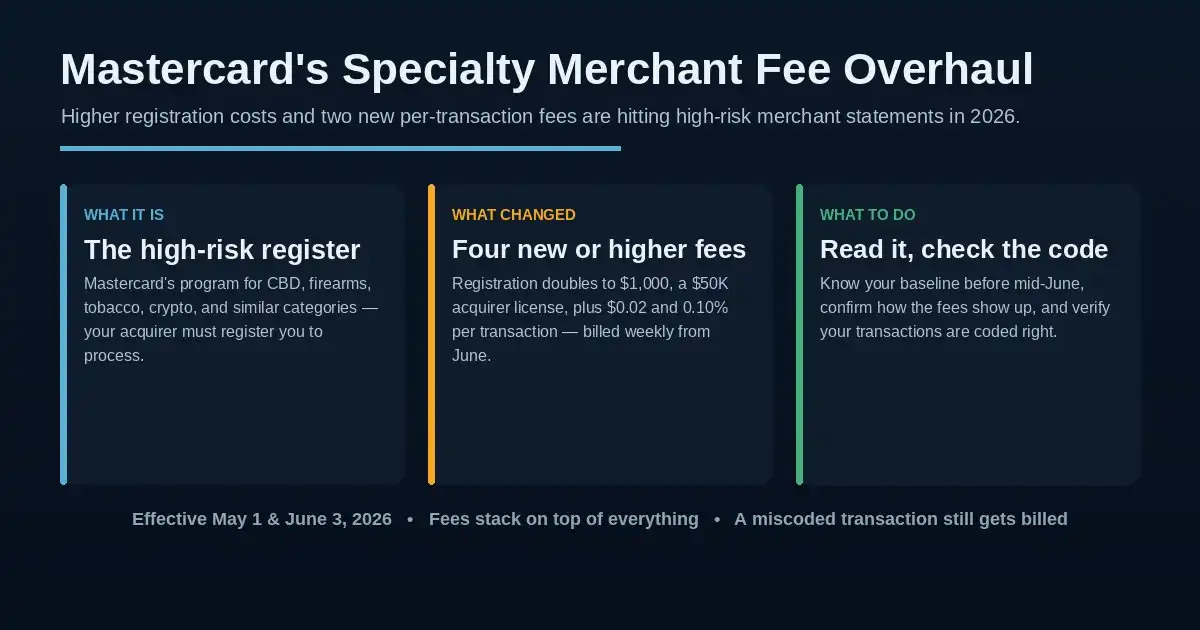
Regardless of the chosen model, selecting a merchant services provider knowledgeable about Visa and Mastercard regulations is crucial. The provider should also be able to accommodate growth and offer tools and guidance for mitigating chargebacks, which naturally increase with sales volume. For businesses relying on recurring memberships, the Visa Account Updater (VAU) service is a valuable tool. This service connects a gateway with participating banks to automatically update expiring payment credentials, preventing subscription interruptions due to outdated card numbers.
Industry publications and experts emphasize several attributes when evaluating payment partners. These include technical fit and integration capabilities, revenue opportunities, and business model alignment. A payment partner should integrate seamlessly into a platform, offering flexible, modern APIs and SDKs to reduce development time. Support for multiple platforms (web, mobile, desktop) and white-label or embedded options for a consistent brand experience are also important. Robust sandbox environments and comprehensive documentation facilitate smoother testing and onboarding.
Beyond technical aspects, transparency is a critical factor. Businesses and their merchants prefer clear communication regarding fees, cancellation charges, and rental agreements. A strong partner should be upfront about accessible revenue streams and ensure monthly statements are free of hidden fees. Technology leadership is also vital, as the payments industry is constantly evolving with advancements like EMV liability shifts, tokenization, mobile payment options, and online payment portals. A partner that stays ahead of these trends can provide significant value.
Strategic Partnership and Growth
For integrated software vendors, a payment processor is a direct extension of their product and brand, capable of unlocking new revenue, reducing technical debt, and scaling with growth. The wrong partner can introduce friction, limit flexibility, and incur hidden costs over time. Experienced ISOs and agents also recognize that their payment processing partner can significantly impact their business, influencing residual growth, merchant retention, and portfolio streamlining.
The relationship with a payment provider should be a strategic partnership, not merely a vendor-client dynamic. This involves aligned goals, clear and open communication, and a commitment to providing the tools and support necessary for growth and portfolio protection. The partner should be responsive, offering real answers rather than evasions when feedback or urgent questions arise.
Key Facts
- Businesses can choose between Payment Service Provider (PSP) aggregators and direct merchant accounts for online credit card processing.
- PSP aggregators are suitable for new businesses, offering shared merchant accounts but less control.
- Direct merchant accounts provide customization and control over payment credentials but require more operational oversight.
- A crucial factor in partner selection is knowledge of Visa and Mastercard regulations and the ability to mitigate chargebacks.
- Technical fit, transparent fee structures, and technology leadership are essential attributes for a payment processing partner.
- The Visa Account Updater (VAU) service helps prevent subscription interruptions due to expired payment credentials.