Fetish wear, once confined to kink communities, has increasingly appeared on mainstream catwalks and social media platforms, prompting discussions about cultural sensitivity and appropriation. This trend raises questions regarding respect for the origins of fetish wear and the potential for marginalization of the communities that inspired these styles.
Fetish Wear's Mainstream Trajectory
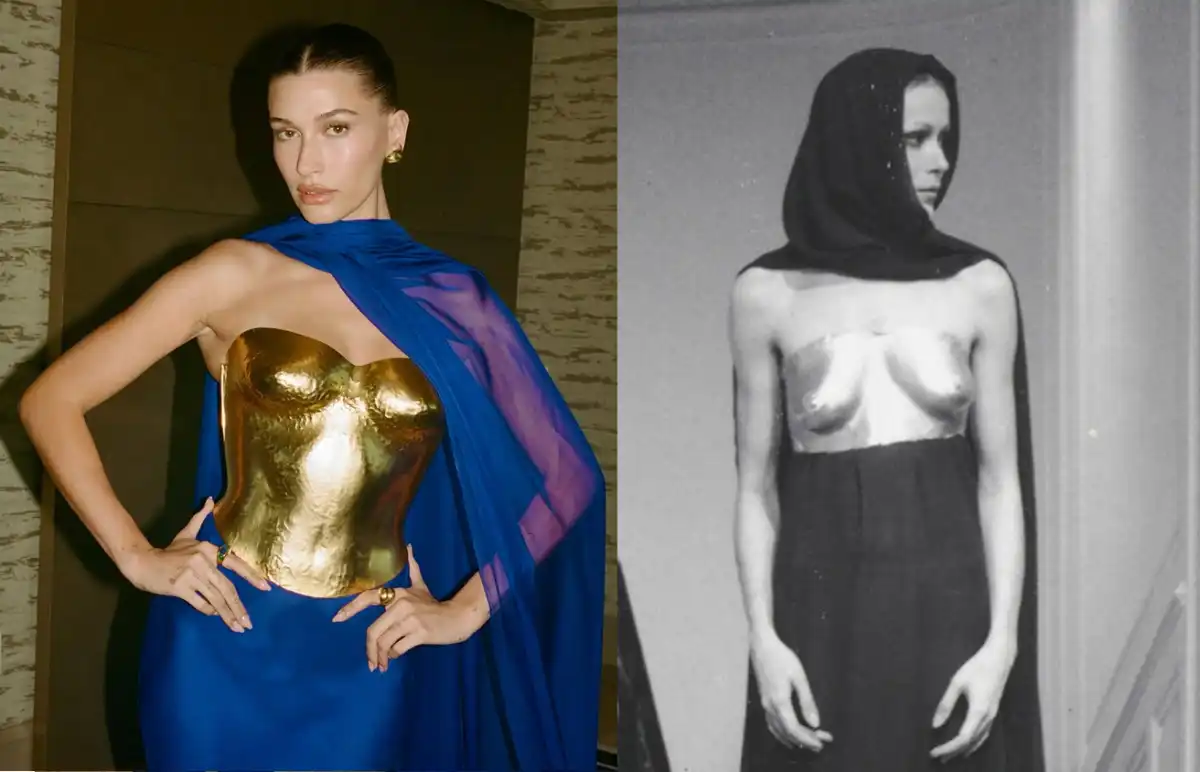
The integration of fetish wear into mainstream fashion is not a recent development. Vivienne Westwood and Malcolm McLaren opened a shop selling sex and bondage wear in 1974. Since then, fetish wear has been featured at Fashion Week and high-end events globally. Celebrities such as Kim Kardashian have been seen in latex gowns and gimp masks. Other notable figures who have incorporated fetish wear into their public appearances include Madonna, Evan Mock, Miley Cyrus, and Timothée Chalamet.
Designers like Vivienne Westwood, Alexander McQueen, Martin Margiela, Demna Gvasalia, and Thom Browne have incorporated elements such as hoods, chokers, harnesses, and rubber into their runway collections for decades. Taylor Rose Bowe noted in November 2024 that fetish wear, characterized by materials like latex and leather and accessories such as harnesses, chokers, and masks, is now firmly in the fashion spotlight. Mistress Iris, a professional dominatrix, stated that fetish wear allows for experimentation with identity, offering a sense of freedom and anonymity where one can exist without their history, race, gender, or socioeconomic status being known.
The popularity of fetish wear, including items like chokers and harnesses, is subject to fluctuations, similar to other fashion trends. However, its increased visibility has brought to light ongoing debates about cultural sensitivity and the distinction between appreciation and appropriation.
Controversies and Community Concerns
The mainstream adoption of fetish wear has periodically sparked controversy. Earlier this year, luxury fashion house Balenciaga launched a campaign that included images of children holding teddy bears dressed in fetish gear. This campaign drew significant backlash from both the fetish community and the fashion industry, leading Balenciaga to remove the images and issue an apology. This incident highlighted a broader issue within popular culture and fashion, where such controversies can reinforce the perception of fetish wear as "bad" or outrageous.
While the use of fetish wear in advertisements featuring children was deemed inappropriate, the response also underscored a pervasive issue: among consenting adults, fetish wear should not be a target for condemnation. This concern is particularly relevant for sex workers who provide fetish services and often face discrimination and stigmatization. Countess Diamond, a U.K.-based professional dominatrix, highlighted the disparity, noting that fetish gear is applauded on the red carpet but often frowned upon when worn by sex workers or individuals for whom it represents more than a costume. Mistress Iris observed that those who inspired fetish wear are often erased from the public discourse, while those who appropriate it continue to gain visibility.
The fetish community is generally described as welcoming. However, when fetish wear is mass-produced, often with lower quality, for mainstream consumption, respect for its origins can be lost. This lack of respect, combined with existing stigmatization, further marginalizes the communities that created and inspired these styles. Countess Diamond, whose specialties include sex workers’ rights, expressed frustration when celebrities, fashion brands, and civilians wear fetish wear without acknowledging its origins.
Bridging the Gap: Appreciation vs. Appropriation
To foster respectful engagement, those seeking to mainstream fetish wear are encouraged to interact with the originating communities. This involves seeking consent and input before establishing a "trend" or "costume" from their clothing. Collaborative efforts that are respectful, informative, and mutually consenting can help bridge the gap between appropriation and appreciation, ensuring that fetish wear is portrayed with integrity and sensitivity.
Countess Diamond, an artistic dominant focused on psychological control and supporting clients, suggested that if the fashion community is not prepared to celebrate the impact of sex workers and the fetish community on fashion, then refraining from wearing harnesses and full latex at events like the Met Gala would be appreciated by those who contend with hateful comments and worse.
Key Facts
- Fetish wear has transitioned from niche communities to mainstream fashion, appearing on catwalks and social media.
- Vivienne Westwood and Malcolm McLaren opened a shop selling sex and bondage wear in 1974.
- Celebrities like Kim Kardashian, Madonna, and Miley Cyrus have worn fetish wear, sparking debate.
- A Balenciaga campaign featuring children with fetish-clad teddy bears drew backlash and an apology.
- Sex workers who use fetish gear as a "uniform" face discrimination, while similar attire is celebrated in mainstream fashion.
- Mistress Iris noted that fetish wear offers freedom and anonymity, allowing individuals to exist without their personal history being known.