The adult industry is seeing a shift towards textured toys as consumers increasingly seek diverse sensory engagement for enhanced pleasure. Retailers are encouraged to implement strategies such as dedicated displays, interactive samples, themed presentations, product bundles, and educational workshops to meet this demand and introduce new shoppers to these products.
The Evolving Landscape of Intimate Pleasure
Tactile stimulation is recognized as a pivotal element in intimate encounters. Consumers are exploring the connection between varied sensory engagement and pleasure, leading to a demand for products that offer more than basic functionality. This trend highlights a growing consumer awareness of the complex nature of pleasure, with individuals seeking a wider array of options and personalized experiences. Textured toys are being embraced for their capacity to provide a broad spectrum of tactile stimulation and new possibilities for intimate fulfillment.
Carly S., known as the Queen of Wands, is a pleasure educator and author of the blog “Dildo or Dildon’t.” She is also the product manager for Spectrum Boutique and social media manager for Nasstoys, in addition to providing freelance social media and consulting services. Carly S. encourages retailers to integrate textured toys into their offerings, stating that these products have the potential to redefine pleasure and contribute to a more inclusive, diverse, and sensorially captivating industry.
Retail Strategies for Textured Toy Offerings
To cater to the varied sensory preferences within the adult toy market, retailers are advised to offer a diverse range of textured toys. These products can provide unique sensations, from silky smoothness to tantalizing textures. Strategies for creating an engaging and educational shopping experience include:
- Dedicated Texture Displays: Retailers can designate specific areas within their stores to showcase textured products. These displays should feature conspicuous signage and eye-catching designs that appeal to both sight and touch. Customers should be encouraged to interact with the various surfaces and textures. A visual guide or chart can further illuminate the diverse array of textures and materials, using descriptors such as “smooth,” “ribbed,” and “silky” to help customers understand the tactile sensations and characteristics of each product.
- Interactive Product Samples: Incorporating display models that embody diverse textures allows customers to experience the nuances and sensations firsthand. Regular cleaning and replacement of floor samples are recommended to ensure hygiene and freshness.
- Themed Displays: Orchestrating themed displays can immerse customers in a sensory-rich shopping experience. For example, a “Sensual Silk” display could feature products with silky textures. Rotating these displays can maintain a dynamic and engaging shopping environment, encouraging repeat visits as customers anticipate discovering new textures.
- Bundles: Creating bundles of different textures offers customers a curated and varied selection of intimate products. Bundles can cater to different texture preferences and provide a convenient way to explore complementary products. Offering these bundles at a discounted price compared to individual purchases can encourage a more comprehensive textured experience.
- Educational Workshops: Retailers can host workshops or events to explore the intricacies of different textured intimate products. Product specialists, industry professionals, or brand representatives can guide attendees through discussions on materials, manufacturing processes, and the distinct sensations elicited by each texture. These workshops can be interactive, allowing attendees to ask questions and gain a deeper understanding of the craftsmanship, fostering a connection with their purchases and a sense of community.
- Inviting Feedback: Educational sessions can also serve as a "feedback zone" where customers can share insights and preferences regarding textures. Encouraging personal experiences transforms shopping into a dialogue, allowing customers to actively participate in shaping the store's offerings. Customer feedback provides valuable knowledge for curating a more tailored and personalized shopping experience.
Broader Context of Tactile Stimulation
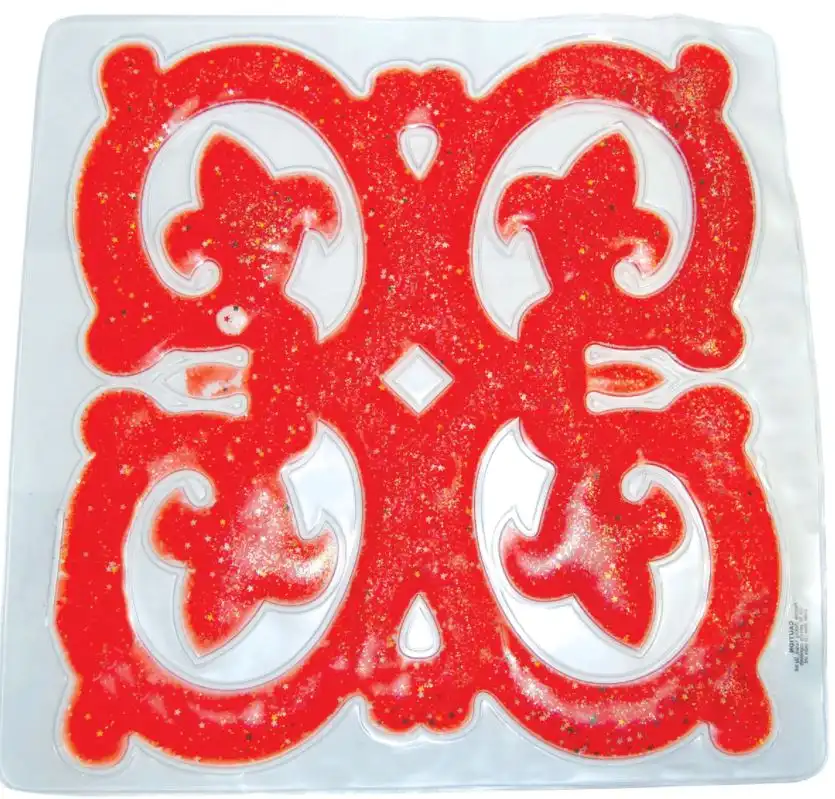
Tactile stimulation and sensory toys are also recognized in other contexts. Rehabmart, for instance, offers pediatric tactile stimulation products and welcomes the VA to its store. Amazon.com lists over 9,000 results for "tactile sensory toys," including items like "Upgraded 16 Set Sensory Mats" and "Goliath Jelly Blox Creative Kit." Enabling Devices features "Tactile Sensory Toys" for individuals with sensory processing differences, often associated with Autism Spectrum Disorder (ASD), developmental disabilities, or special needs. These products aim to stimulate the senses to help the brain process information. Kurtz Bros. also sells "Sensory Tactile Items," including "Play-Doh Case of Colors," "Zen Strips," and "Sensory Trio Fidget Tubes."
Key Facts
- Consumers are increasingly seeking diverse sensory engagement for enhanced pleasure.
- Textured toys are embraced for offering a wide range of tactile stimulation and new possibilities for intimate fulfillment.
- Carly S. is a pleasure educator, author of "Dildo or Dildon’t," product manager for Spectrum Boutique, and social media manager for Nasstoys.
- Retail strategies include dedicated texture displays, interactive product samples, themed displays, product bundles, and educational workshops.
- Customer feedback is encouraged to help tailor product offerings.
- Tactile stimulation products are also available from retailers like Rehabmart, Amazon.com, Enabling Devices, and Kurtz Bros. for various applications.