
Chargebacks continue to present a significant challenge for businesses, with global volume estimated to reach $117 billion by the end of 2023. Industry experts emphasize proactive prevention strategies to mitigate financial losses, operational issues, and reputational damage.
Understanding Chargebacks and Their Impact
A chargeback is a process initiated by a customer who disputes a charge on their credit card statement, leading the credit card company to reverse the transaction. This mechanism serves as a consumer protection tool, allowing shoppers to recoup unauthorized transactions, address merchant errors, or when a supplier fails to deliver goods or services as described. Reasons for chargebacks include fraudulent activity, mistaken purchases, or customer dissatisfaction with a product or service.
For businesses, chargebacks result in lost earnings, increased fraud risk, and potential damage to customer relationships. Merchants are typically responsible for the chargeback amount plus associated fees. Frequent chargebacks can lead to financial penalties from payment providers, or even account termination. Beyond monetary losses, chargebacks create operational issues such as increased customer service demands, payment processing delays, and inventory management difficulties. A high rate of chargebacks can also harm a business's reputation, potentially leading to decreased sales and revenue as consumers become hesitant to shop with them.
Chargebacks have seen a 20% annual increase, representing billions of dollars in lost revenue. Mastercard estimates that 45% of global merchant chargeback volume is fraudulent. This includes criminal activity using stolen cards and "friendly fraud," where a customer may not recognize a charge, forget an event, or use a chargeback as an alternative to engaging with customer service for a refund.
Strategies for Prevention
Preventing chargebacks requires a proactive approach, focusing on customer satisfaction and robust fraud prevention. Jonathan Corona, Chief Operating Officer of MobiusPay, with two decades of experience in digital payments processing, advises merchants on compliance standards mandated by card associations, including BRAM regulations and chargeback compliance policies defined in Visa and Mastercard operating rules.
Key strategies for reducing chargeback risk include:
- Implementing Fraud Prevention Systems: Businesses should have systems in place to detect and prevent fraudulent activity. This can involve advanced fraud detection tools like IP address verification and 3D Secure verification.
- Developing Best Practices: This includes requesting additional information from customers, such as an authorized authorization form to verify identity. Making the billing descriptor easy to recognize can also help prevent chargebacks.
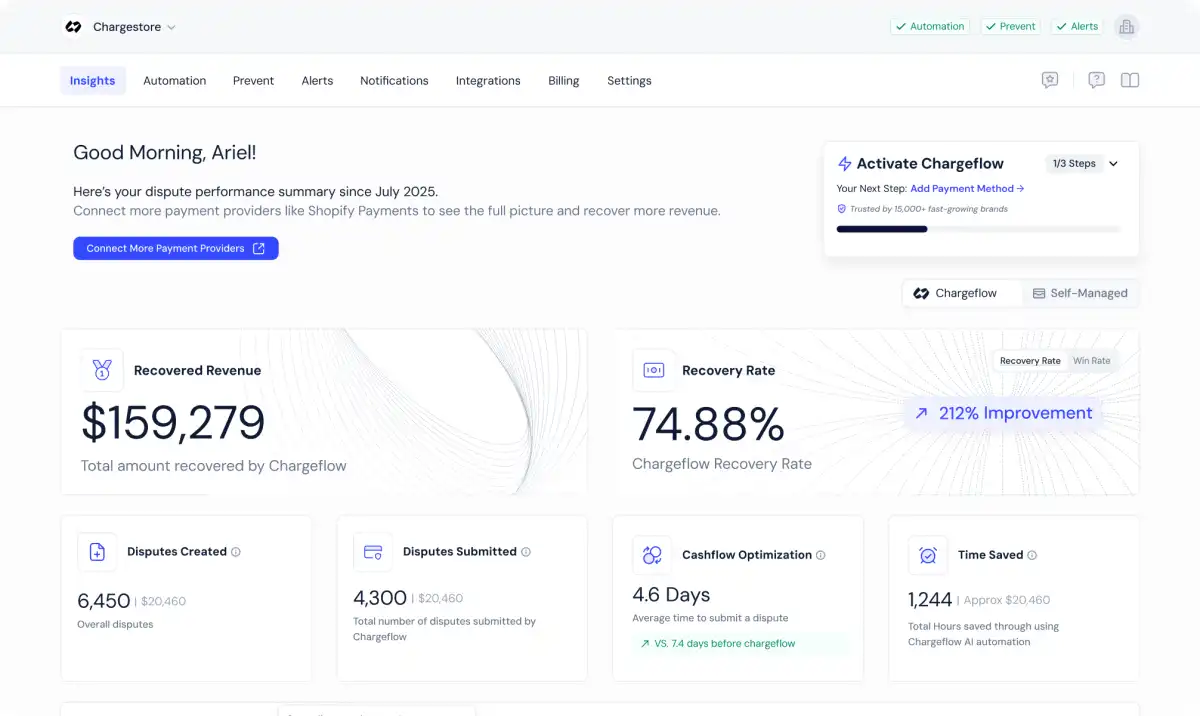
- Automated Chargeback Prevention Services: These services can identify potential fraudulent activity and save time by automatically submitting dispute responses.
- Staying Current with Regulations: Keeping up-to-date on credit card regulations and industry standards helps ensure compliance and prevents rule violations that can lead to chargebacks.
- Monitoring Customer Activity: Regularly monitoring customer activity for suspicious behavior allows businesses to take action to prevent fraud and chargebacks.
- Optimizing Checkout Processes: Simple and user-friendly checkout processes reduce customer confusion, which can be a cause of chargebacks.
- Offering Diverse Payment Options: Providing a variety of payment methods ensures customers can use their preferred option, potentially reducing chargeback risk.
Ensuring Customer Satisfaction
Customer satisfaction is a primary defense against chargebacks. Businesses should respond quickly to customer inquiries and complaints, resolving issues as rapidly as possible. Keeping customers informed throughout the transaction process is also crucial. Sending emails to confirm orders, provide tracking information, and notify them of any changes helps ensure customers understand their purchase details, reducing the likelihood of them disputing a charge.
Key Facts
- Global chargeback volume is estimated to reach $117 billion by the end of 2023.
- Chargebacks have increased by 20% annually.
- Mastercard estimates 45% of global merchant chargeback volume is fraudulent.
- Reasons for chargebacks include unauthorized transactions, fraudulent activity, dissatisfaction with goods or services, and non-delivery.
- Jonathan Corona, COO of MobiusPay, has two decades of experience in digital payments processing.